A proper introduction to Waddingtons playing cards
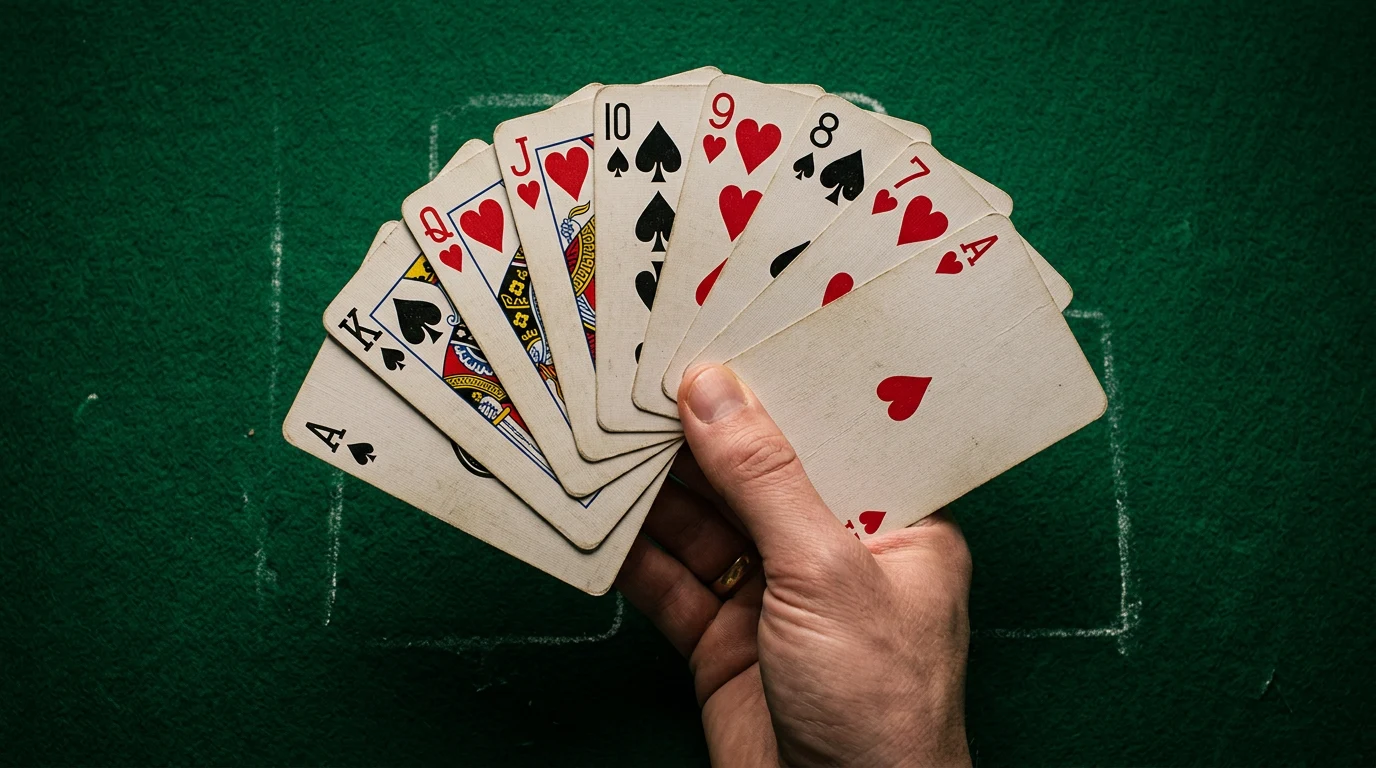
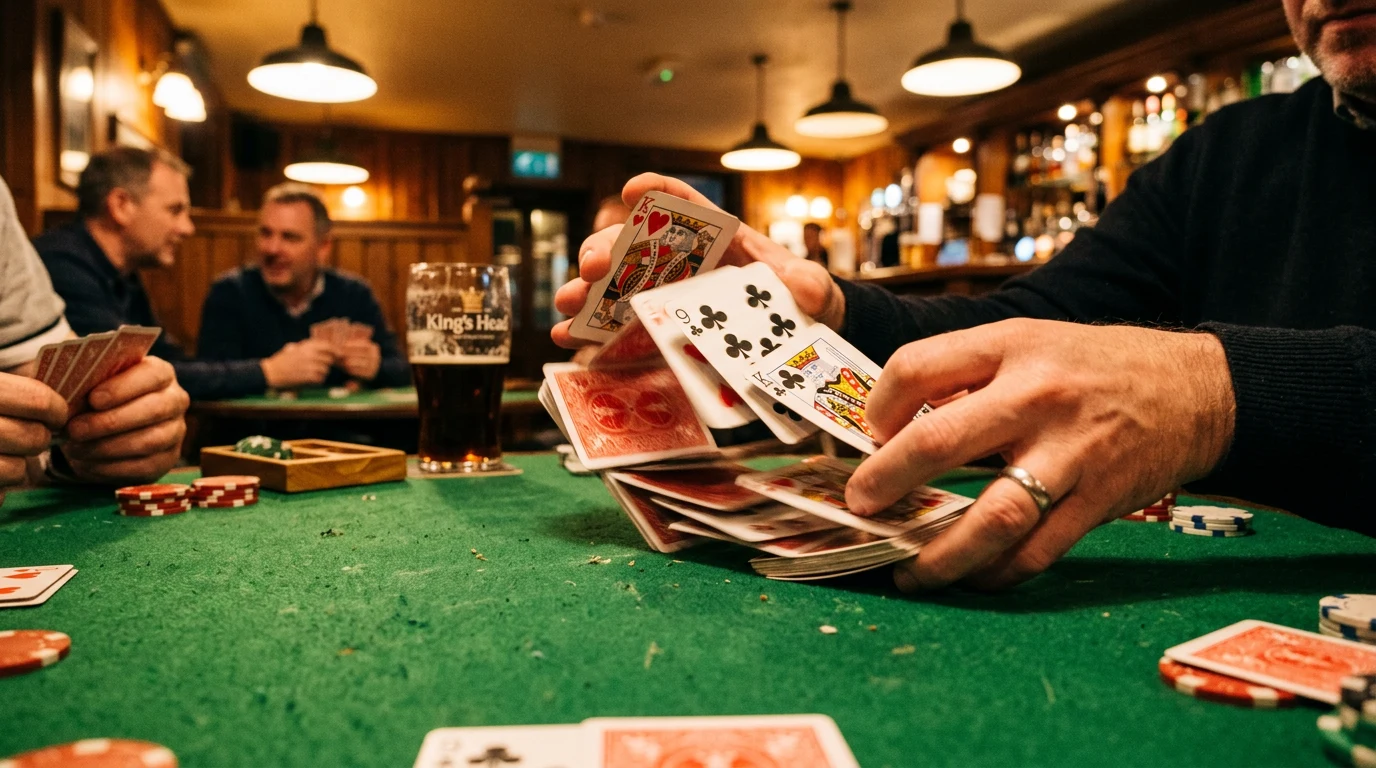
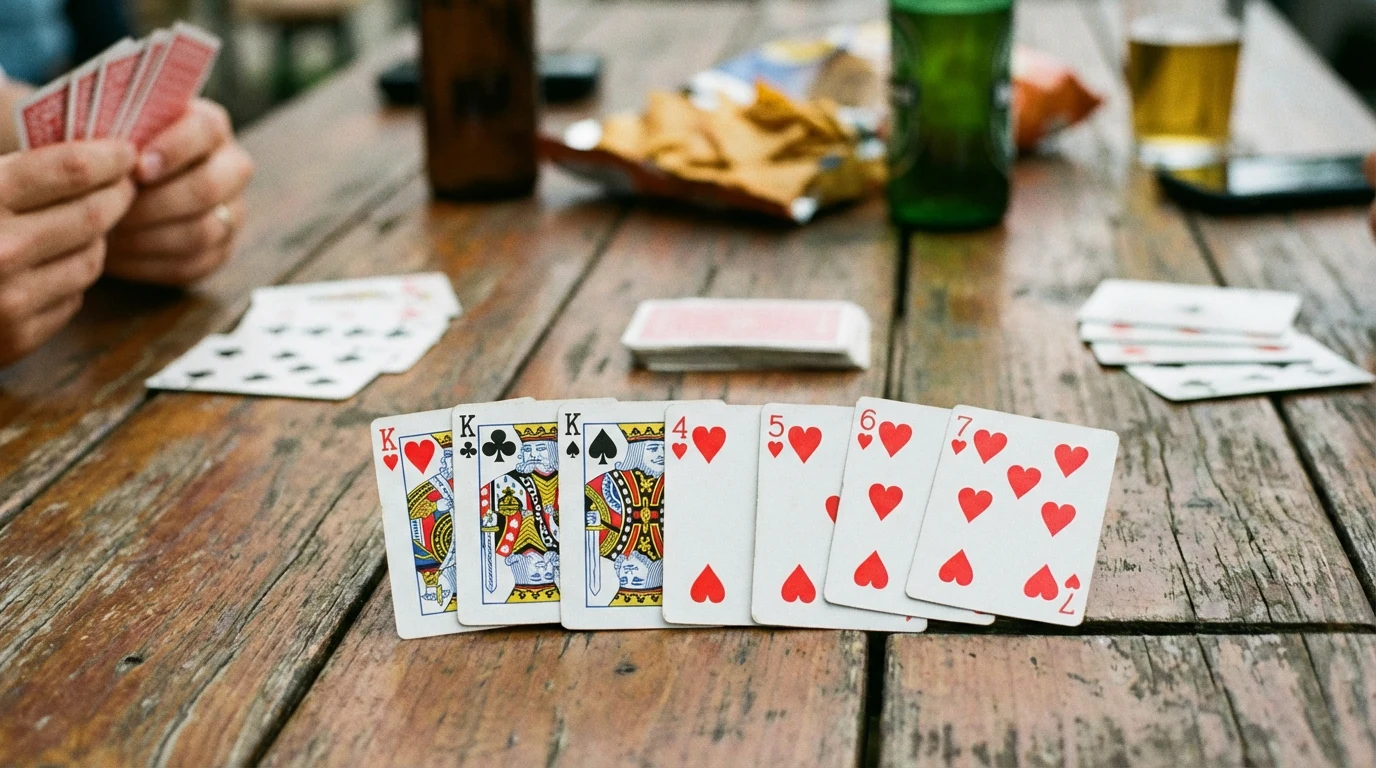
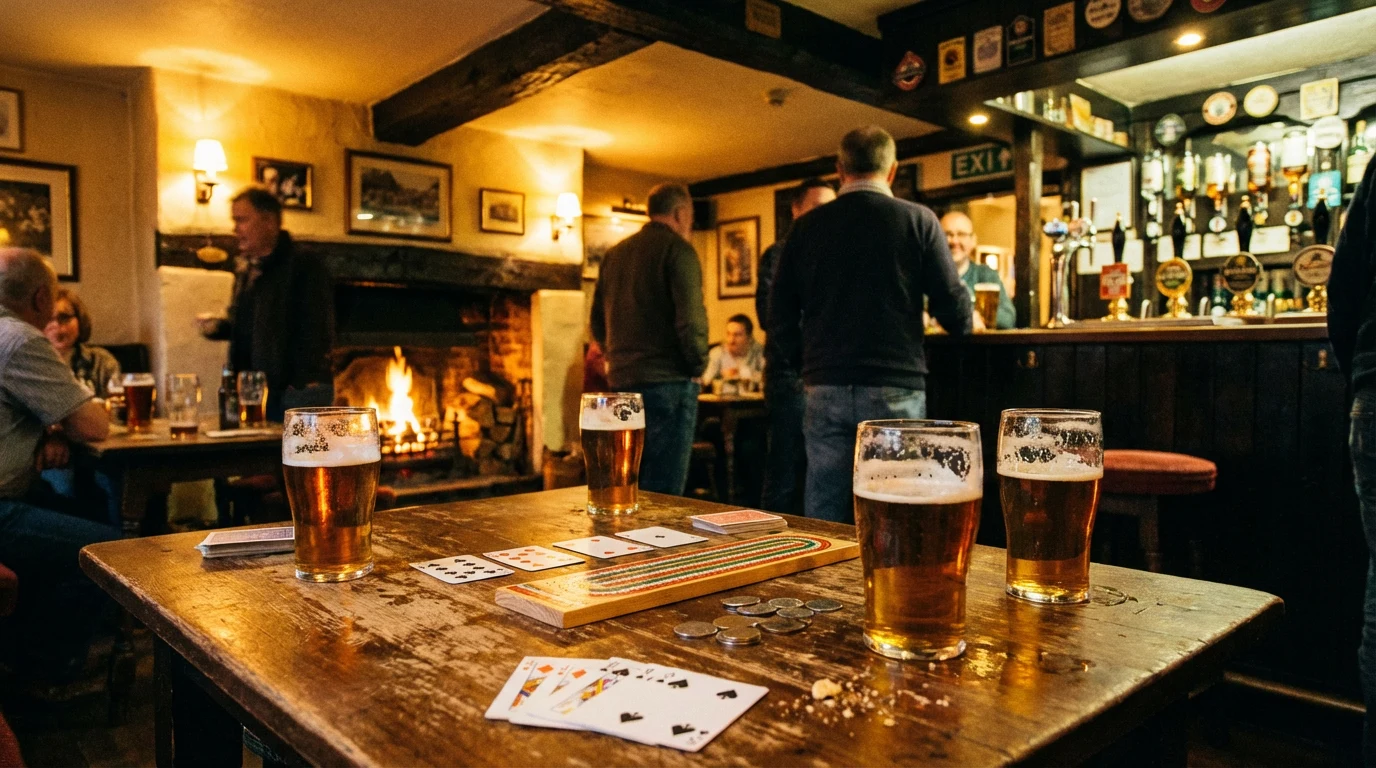
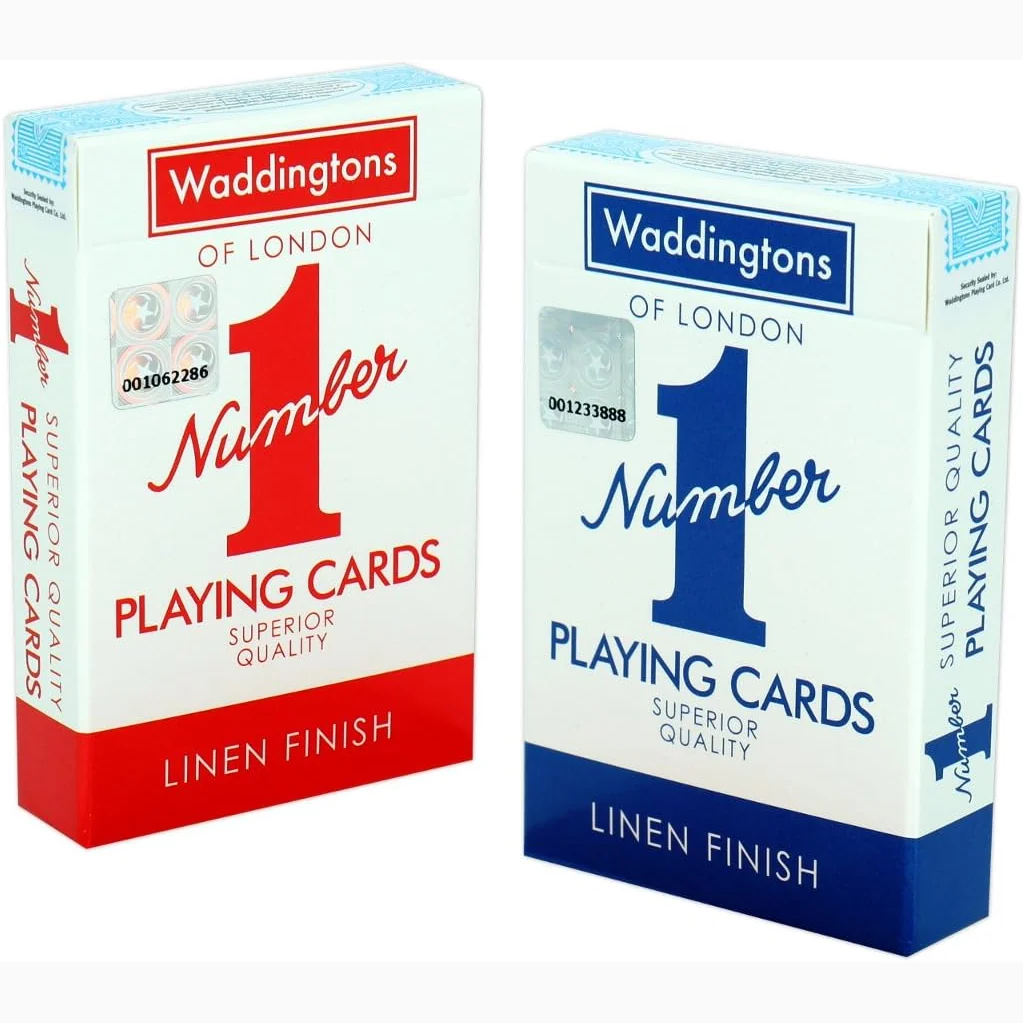
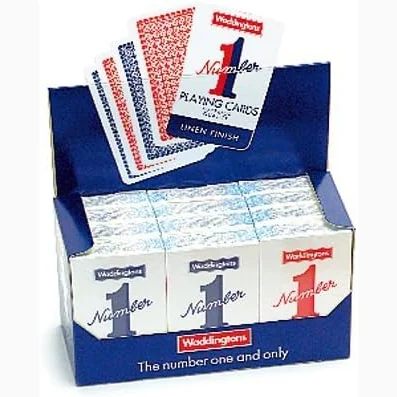
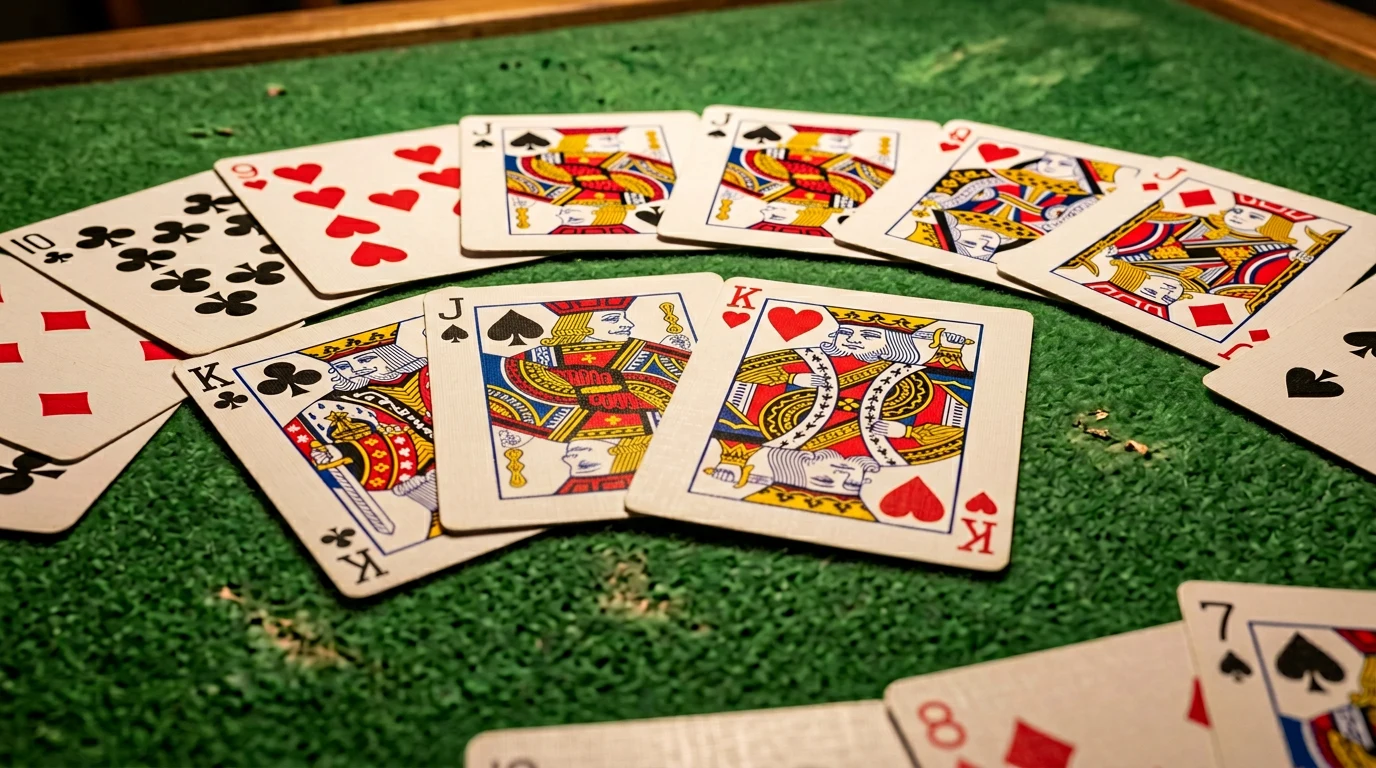
If you grew up in the United Kingdom, there is a fair chance your first pack of pasteboards said Waddingtons on the flap. Long before the brand became synonymous with board-game classics, it earned trust on the green baize of pubs, parish halls, and front rooms. Number 1 Playing Cards sit at the centre of that story: an everyday deck that still carries the visual language of British court cards and a tuck box you can spot from across the room.
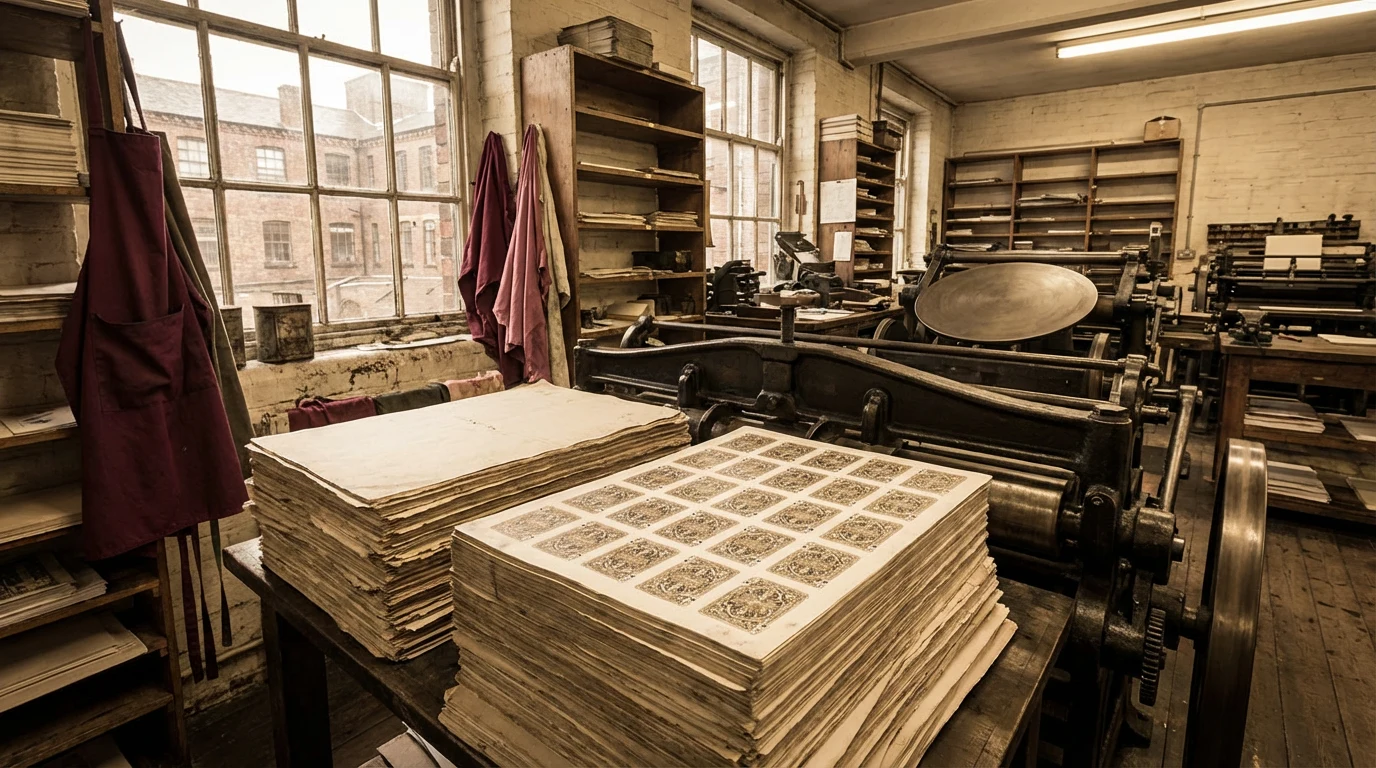
The company’s roots lie in Leeds, where printing expertise met entrepreneurial nerve. When post–First World War demand for durable entertainments surged, Waddingtons pivoted into cards in 1922, building on machinery and craft knowledge that already lived inside the firm. That decision turned a regional printer into a household name and, eventually, a pillar of the wider gaming industry.
Wartime chapters added unexpected depth. During the Second World War, Waddingtons applied its print know-how to national needs, including low-denomination banknotes when coinage was tight. Among the tales collectors still repeat, maps concealed inside playing cards—sometimes linked to charity editions of Monopoly—capture imagination even when details deserve careful reading from historians. What is undeniable is that the same presses could move from civilian pasteboards to work that mattered on a national scale.
What “genuine” means for buyers today
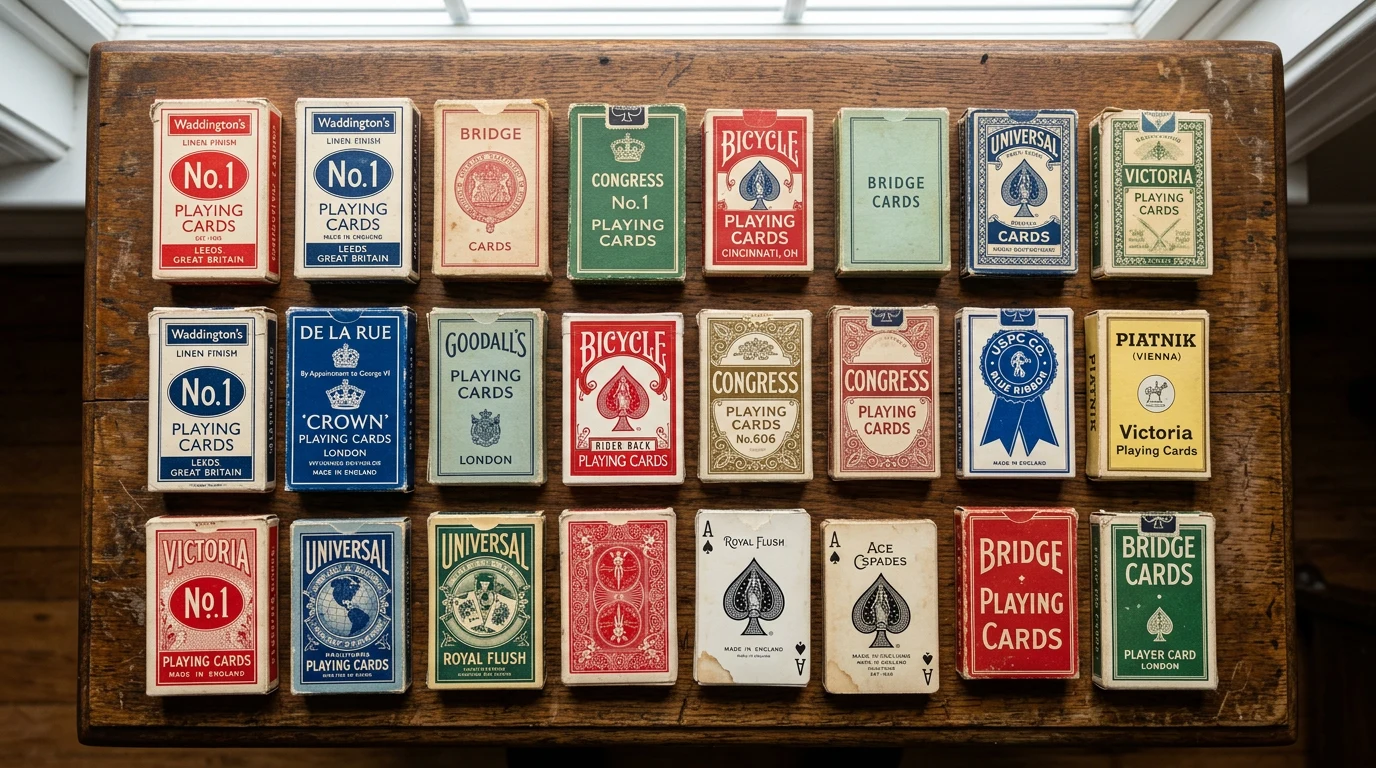
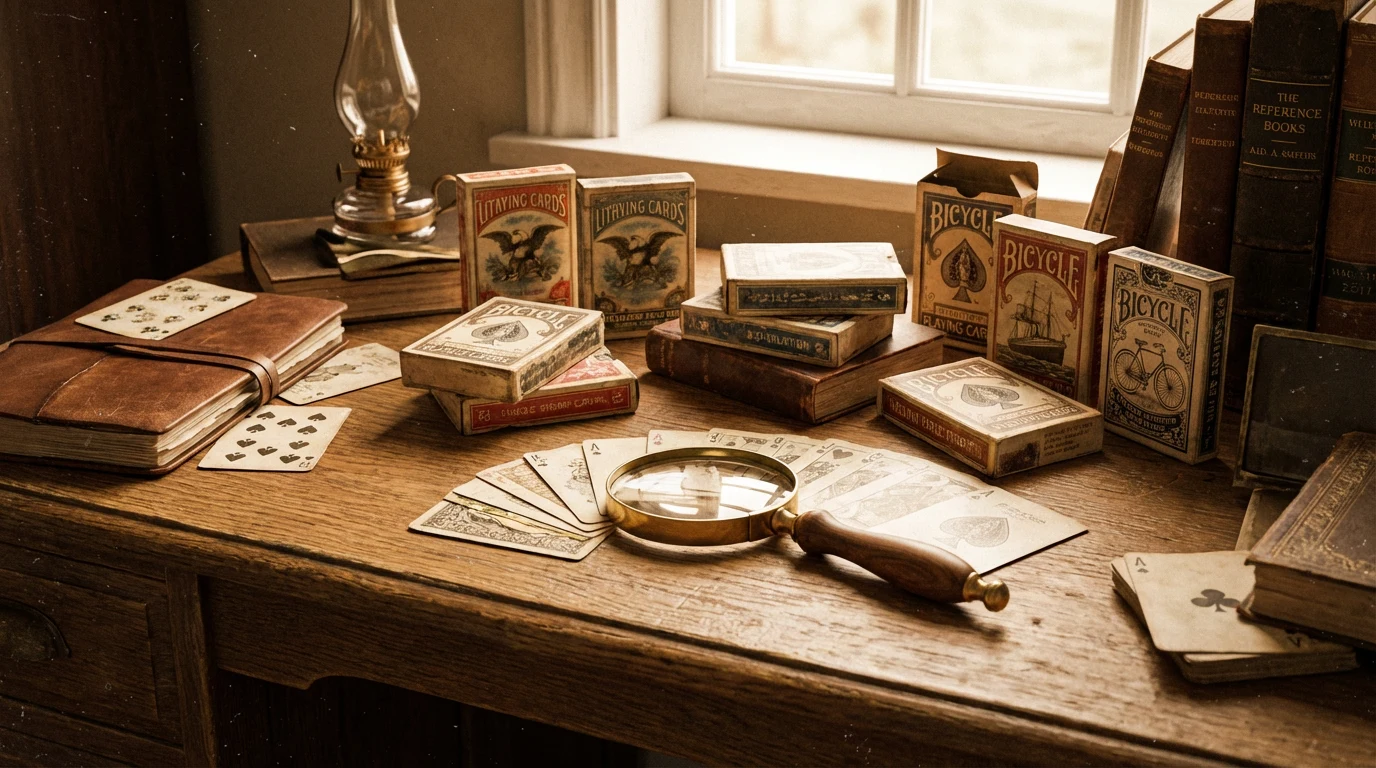
Vintage hunters compare tuck typography, factory addresses, and the ghost of paper duty wrappers from mid-century packs. Later cartons might read Winning Moves on the fine print because modern distribution often flows through licensed partners. None of that diminishes the feel of a well-aged linen pack; it simply means provenance checks matter if you pay a premium.
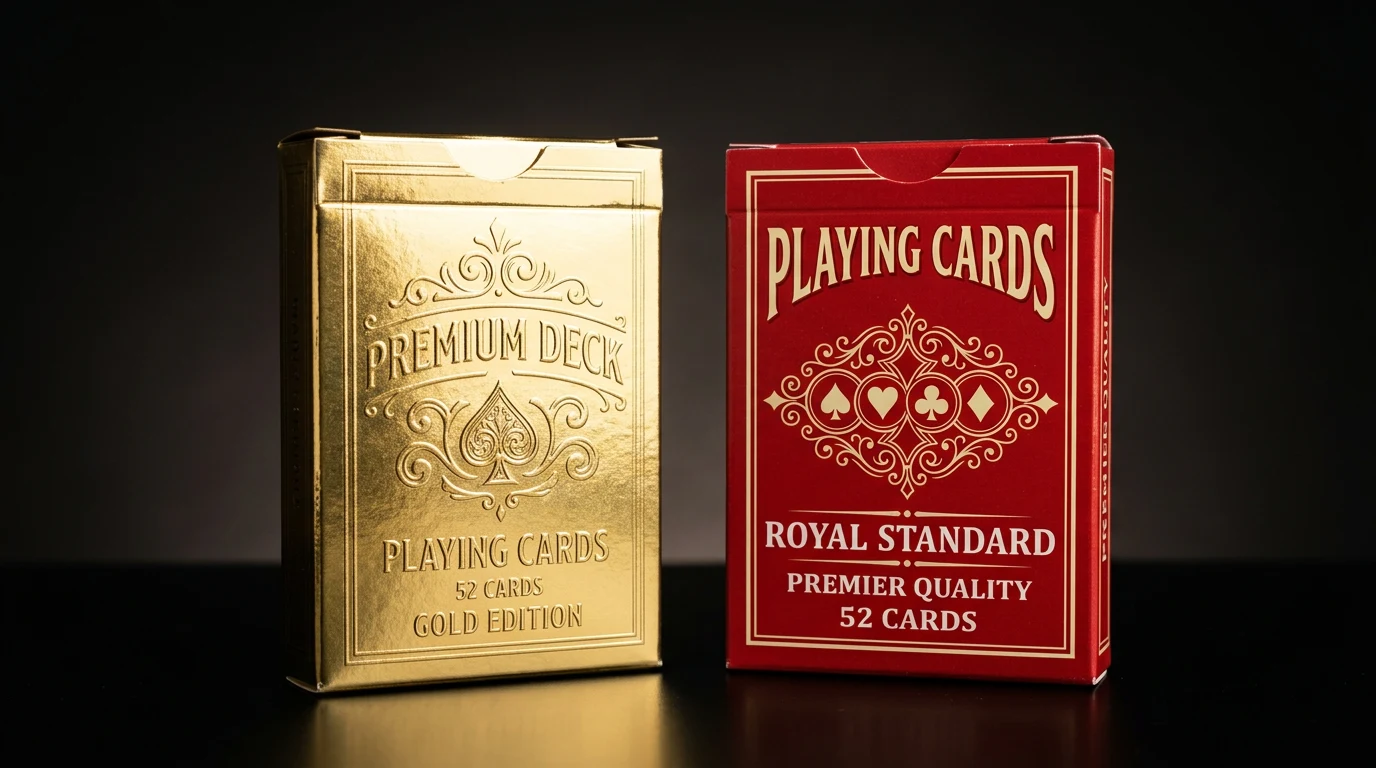
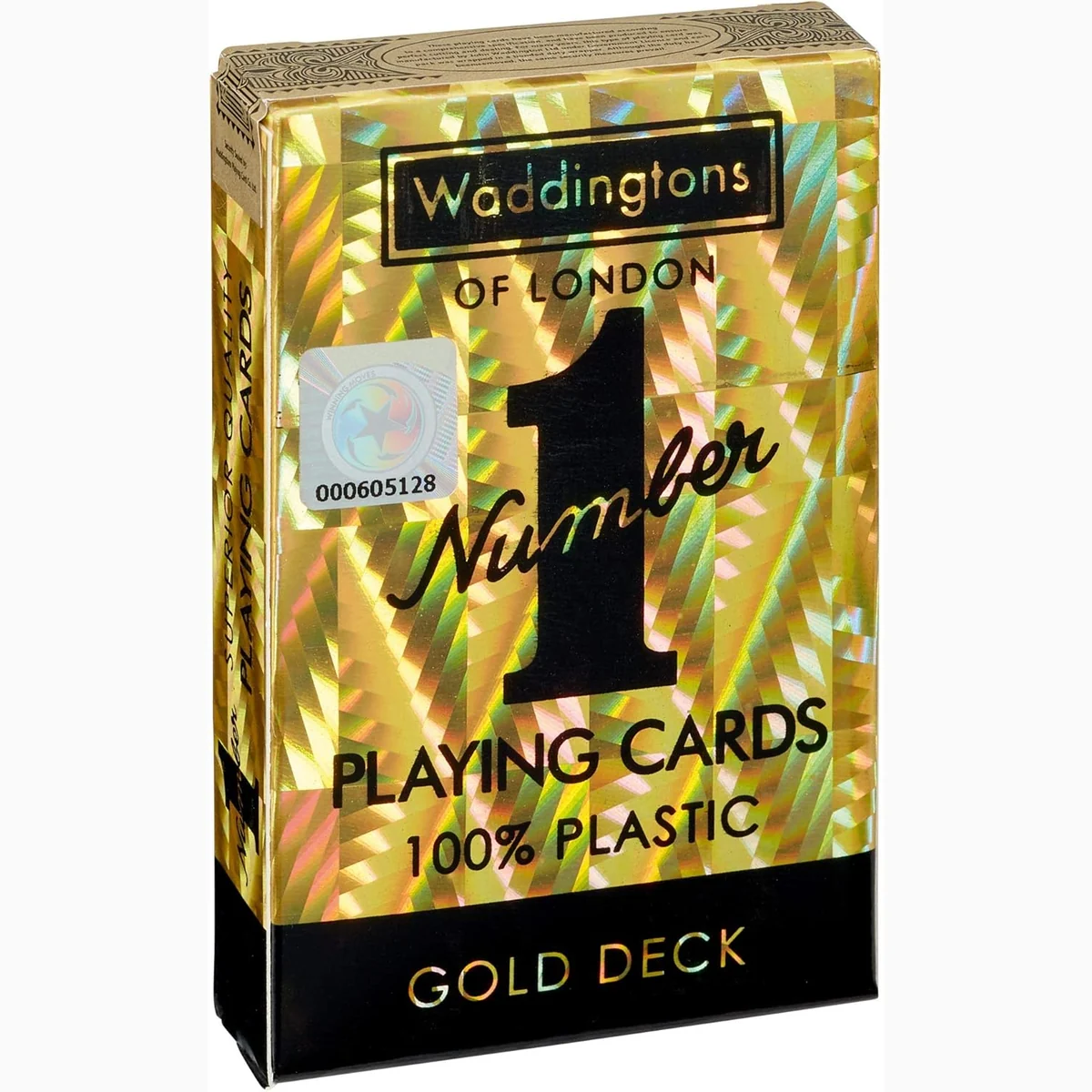
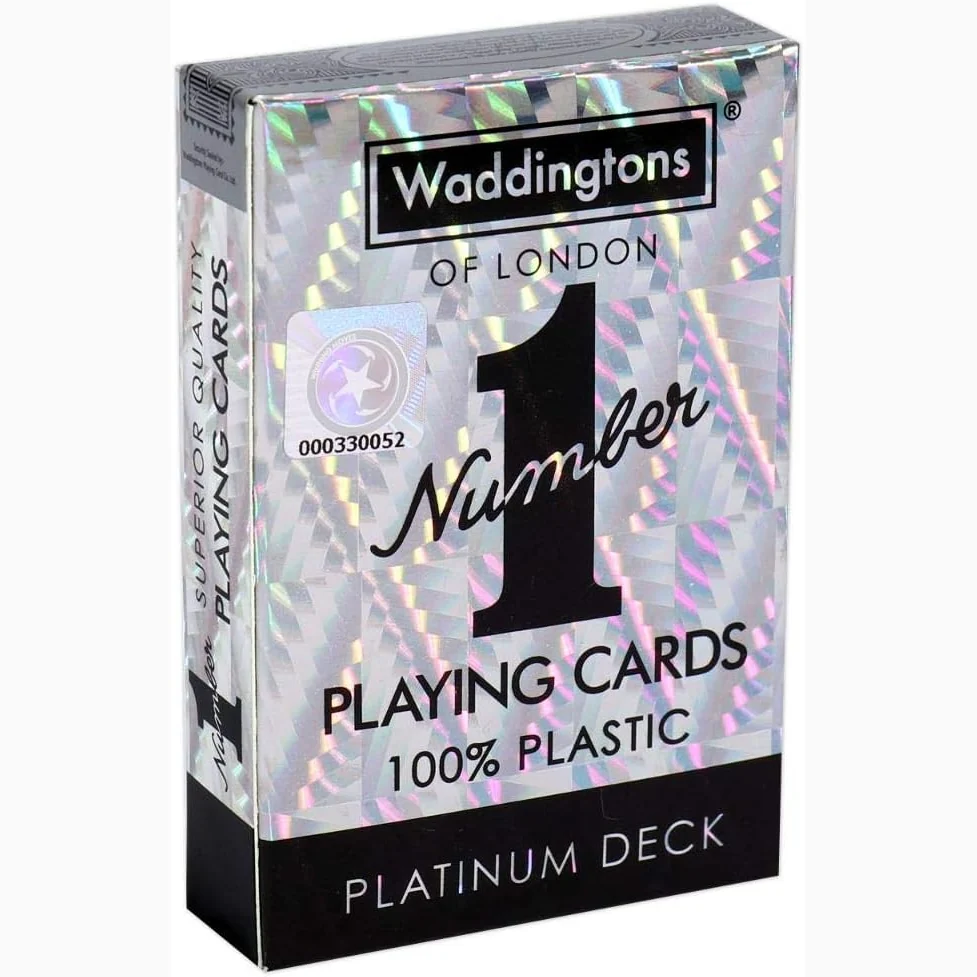
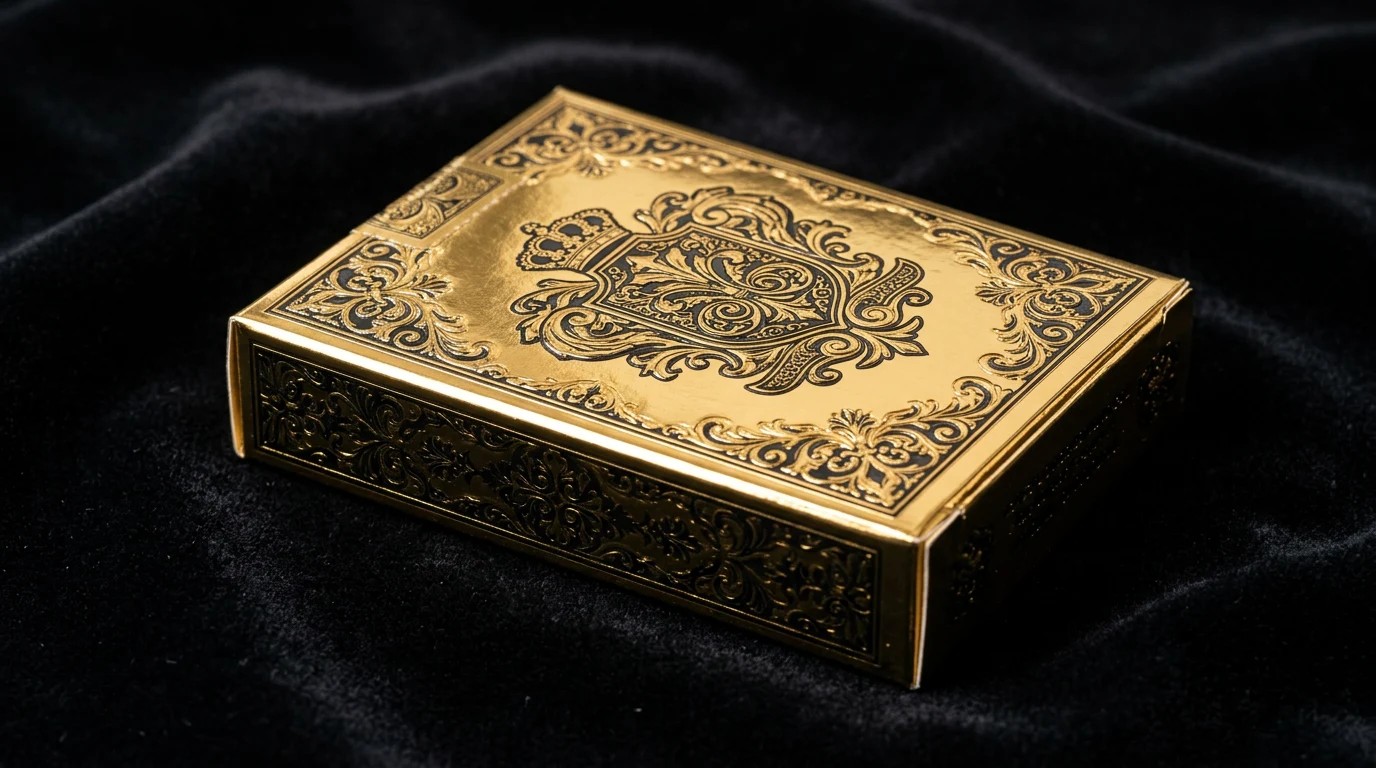
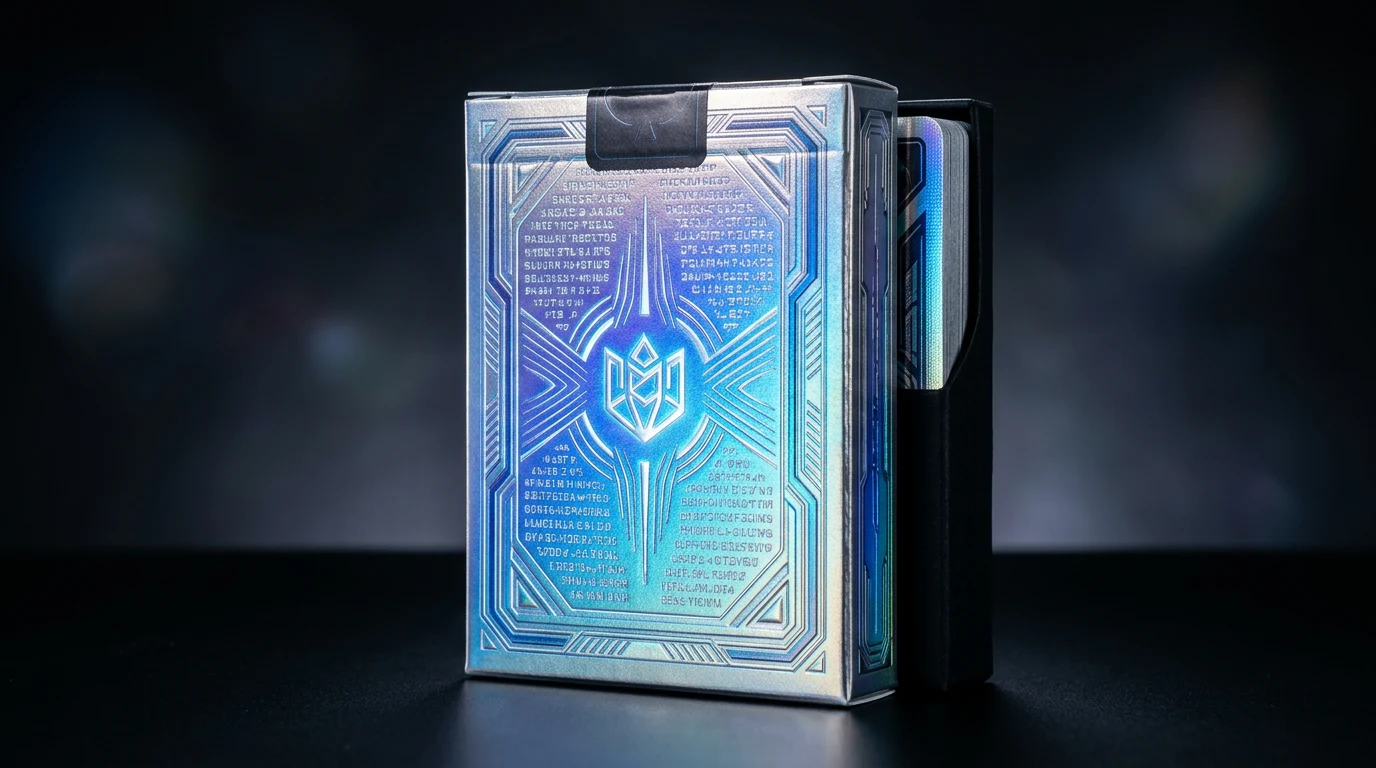
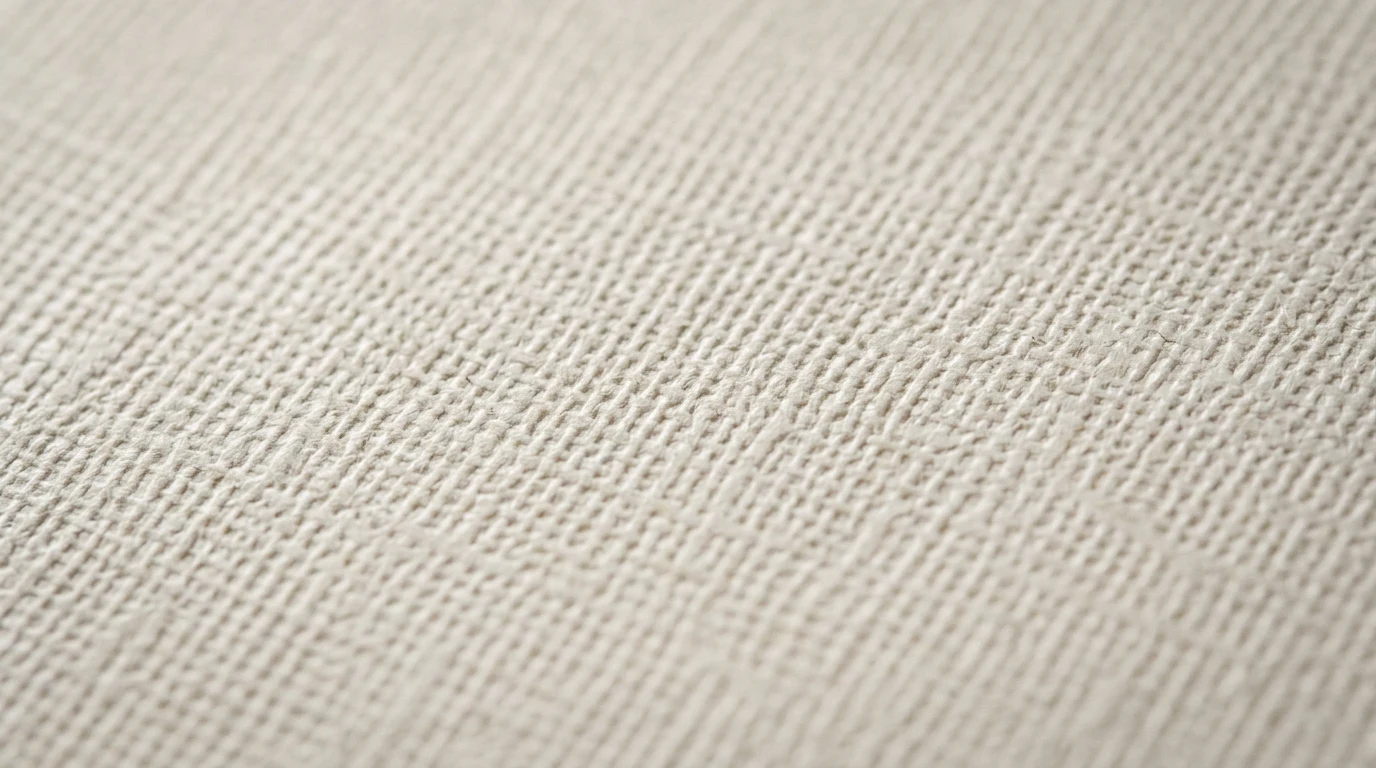
For play-focused shoppers, authenticity is simpler: buy from reputable sellers, inspect cellophane and registration, and expect the familiar glide of linen stock. If you prefer a contemporary twist, gold and platinum editions dress the same indices in metallic or holographic clothing. Purists sometimes grumble that plastic-forward builds feel different—honestly, they do—but families who want sparkle at Christmas may not mind the trade-off.
Clubs, wholesale cartons, and the box of twelve
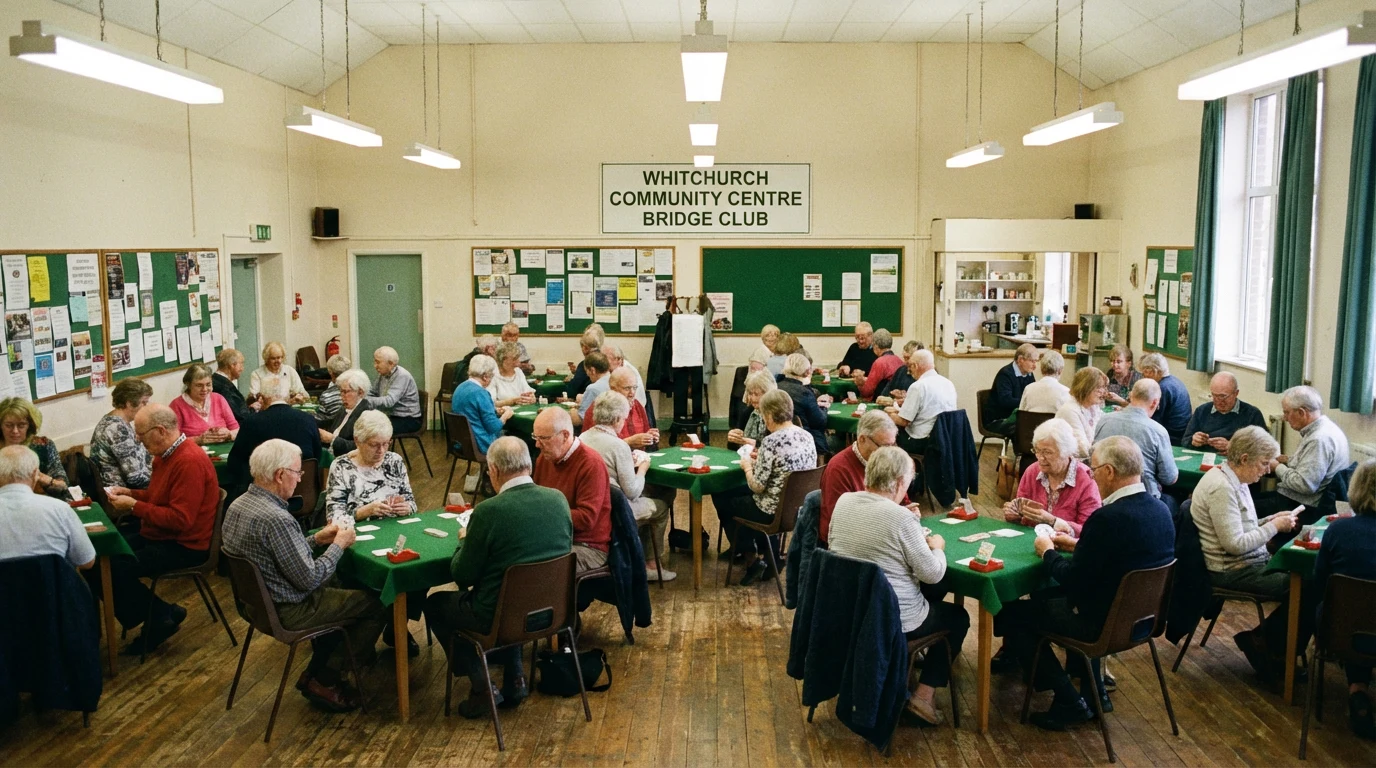
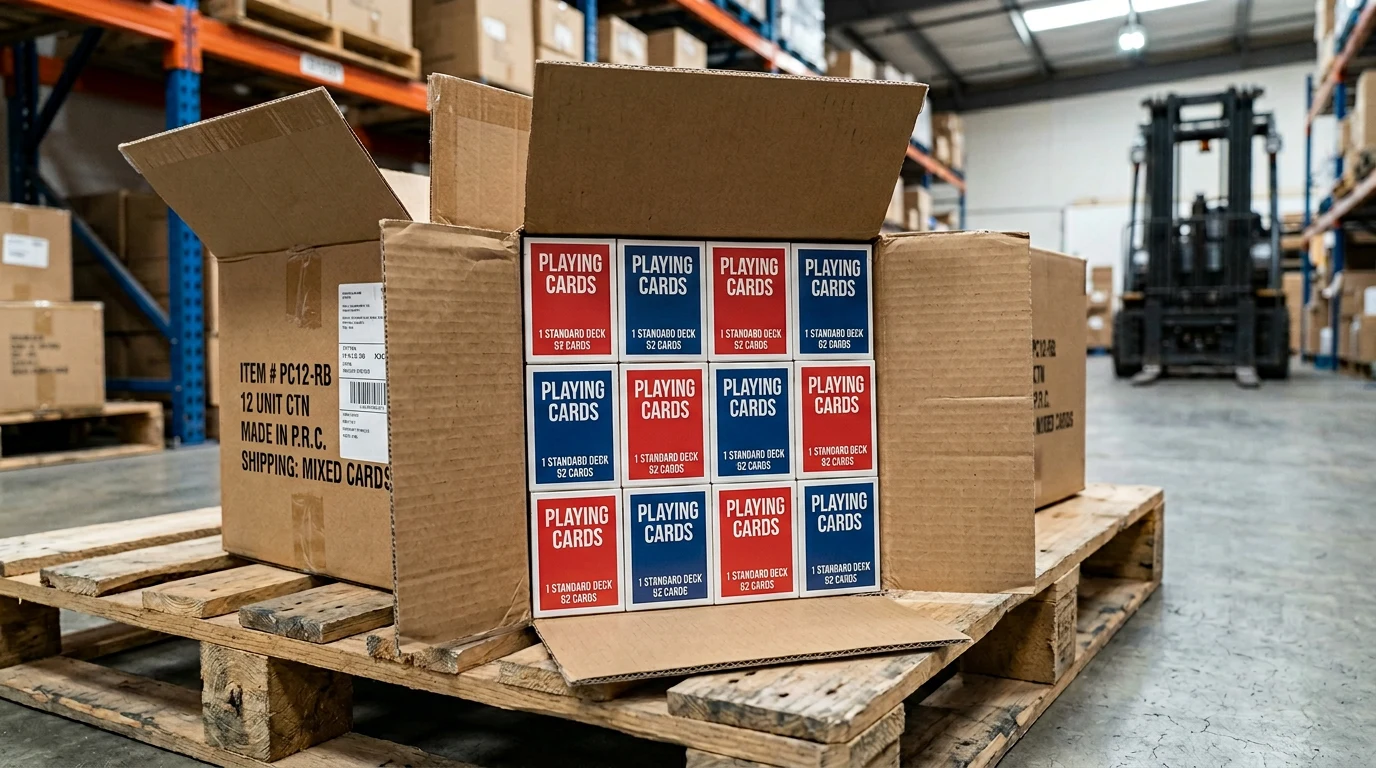
Serious card rooms burn through decks faster than casual kitchens. A box of twelve packs—often six red backs and six blue backs—keeps stewards supplied without endless trips to the high street. Collectors also chase outer cartons for their graphics: bold numerals, factory codes, and colour blocks that pin a purchase to an era.
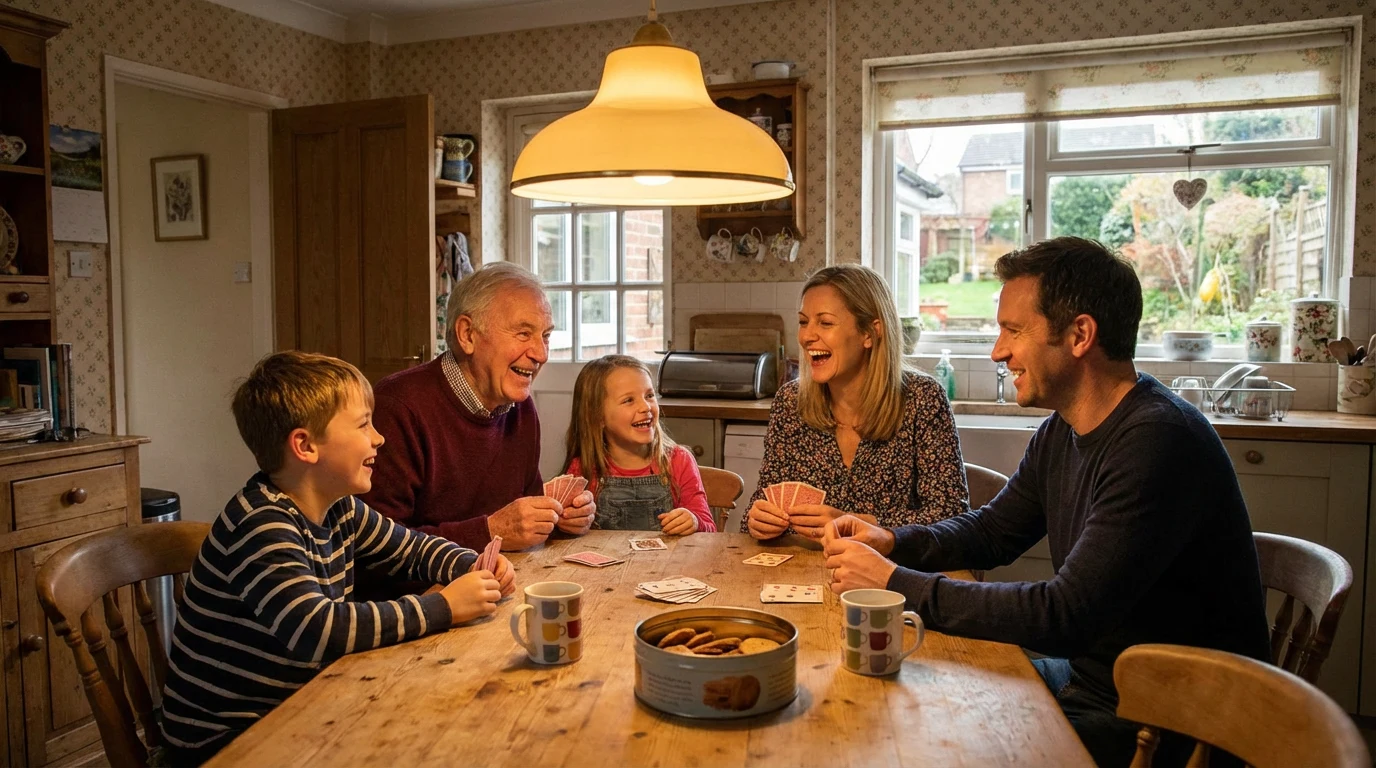
Whether you are teaching grandchildren whist, hosting tournament bridge, or curating a shelf of twentieth-century tuck art, Waddingtons offers a thread that connects generations. Start with Number 1, dig into vintage tells, and cross-check seller claims with our genuine pack checklist. When you are ready for voices beyond ours, the reviews hub summarises what players praise and what they nitpick—especially around modern plastics.
This site is an independent editorial resource. It is not affiliated with Hasbro, Winning Moves, or legacy Waddingtons companies. Always verify product details with your retailer before you buy.