
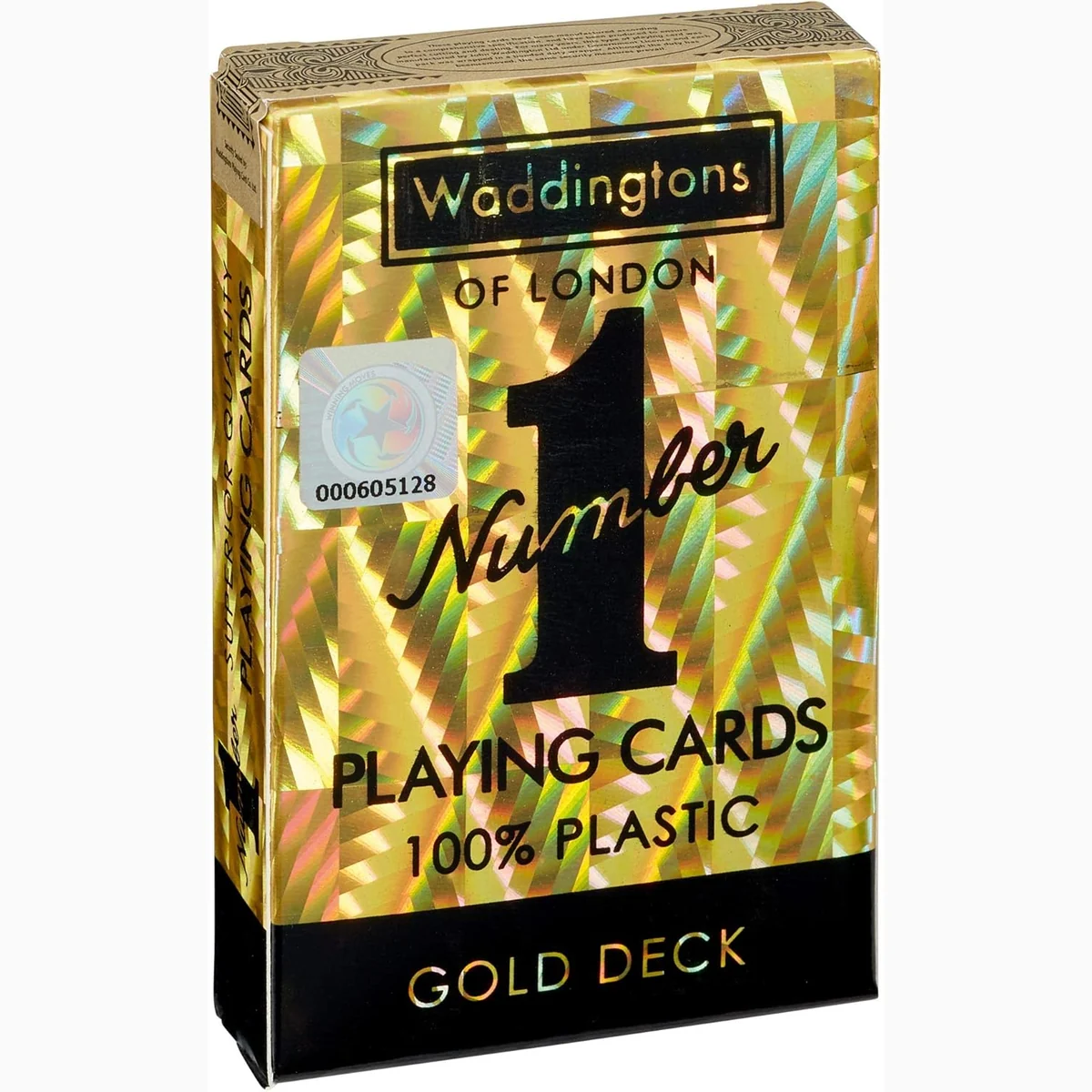
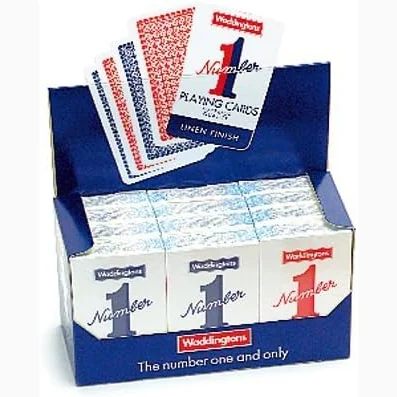
The gold deck sits in Waddingtons’ lineup as the dress-uniform cousin of everyday packs. Metallic inks and foil accents catch candlelight at anniversary dinners and sparkle in wedding photographs without requiring you to learn a new indices layout. That familiarity matters: recipients recognise the courts instantly, so games start faster. The gold treatment is primarily aesthetic, yet it changes how people perceive value—psychology is part of play when stakes are friendly but pride runs high.
What “gold” means on the tuck and the cards
Finish terminology varies by production run, but expect metallic highlights on backs, tuck panels, or both. Some editions lean subtle with narrow foil bands; others broadcast glamour across the entire rear design. The underlying card stock usually remains paper-based, which preserves a reassuring bend compared with thick plastic souvenirs. Edge cutting should stay clean; rough shoulders suggest rough handling or counterfeit packaging—compare photos against known retail samples.
Under strong LED, foils can produce glare that older players find tiring. Test lighting before marathon bridge sessions. If glare bothers your table, rotate to a matte-backed Number 1 reserve deck and keep the gold pack for showcase deals.
Gold deck versus Number 1 in daily play
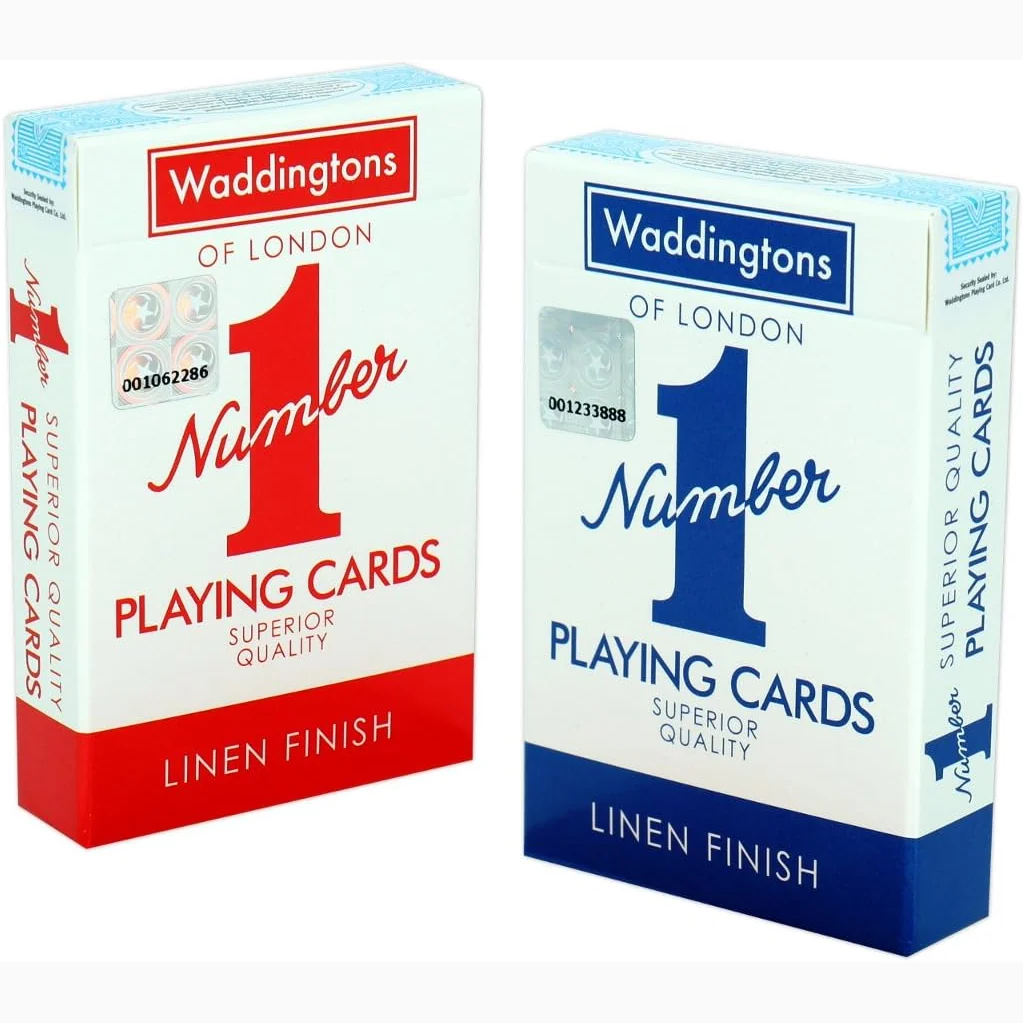
Number 1 Playing Cards prioritise democratic durability and club-standard handling. The gold edition trades some understatement for spectacle. Indices remain legible, yet foils can wear at corners faster than plain ink if players scrape rings across faces. For high-frequency pub leagues, Number 1 remains the economical workhorse. For quarterly family tournaments where photographs matter, gold shines—literally.
Shuffle noise shifts slightly; metallic surfaces can sound brighter when riffling. That is neither good nor bad—just different. Directors running serious duplicate events should confirm house rules about reflective backs under broadcast lighting if anyone streams your charity night.
Gifting moments that suit the gold deck
Consider gold when symbolism aligns: golden anniversaries, retirement parties, or prizes for club ladders. Pair the tuck with a handwritten score sheet or a voucher for afternoon tea—British gifting loves narrative. Corporate organisers should check branding policies; some firms prefer neutral backs for client events. For teenagers heading to university, gold might feel formal; a standard twin-pack bundle could land better unless they adore sparkle.
Wrap with tissue inside the outer paper to prevent corner dings. Include a short note explaining linen finish care so recipients do not soak the deck whilst celebrating with prosecco. If you want futuristic durability instead, compare notes on our platinum deck page before you buy.
Care, storage, and display
Store gold editions away from direct sun—UV can dull foils over years. Avoid humid lofts; paper cores still breathe. Display cases look smart on bookshelves, yet ensure cards do not press against acrylic for months; slight bowing happens when heat cycles. If you frame a single card as art, use conservation mounting, not sticky tape.
When cleaning smudges, use a microfibre cloth with gentle pressure. Solvents attack foil adhesives. For sticky toddler fingers, accept that gold packs may become “family beaters” faster than you hoped—buy two if sentiment matters.
Collectors, completionists, and mixed cases
Some buyers chase every metallic variant alongside standard backs. Photograph tuck codes for your spreadsheet. If you import from abroad, verify voltage on currency conversion only after verifying regional packaging—EU versus UK copy sometimes differs in legal lines. When blending gold decks into a twelve-pack order for a club, confirm colour mixes with your treasurer so you do not end up with twelve gold backs when members expected classic red and blue.
When platinum might be the better flex
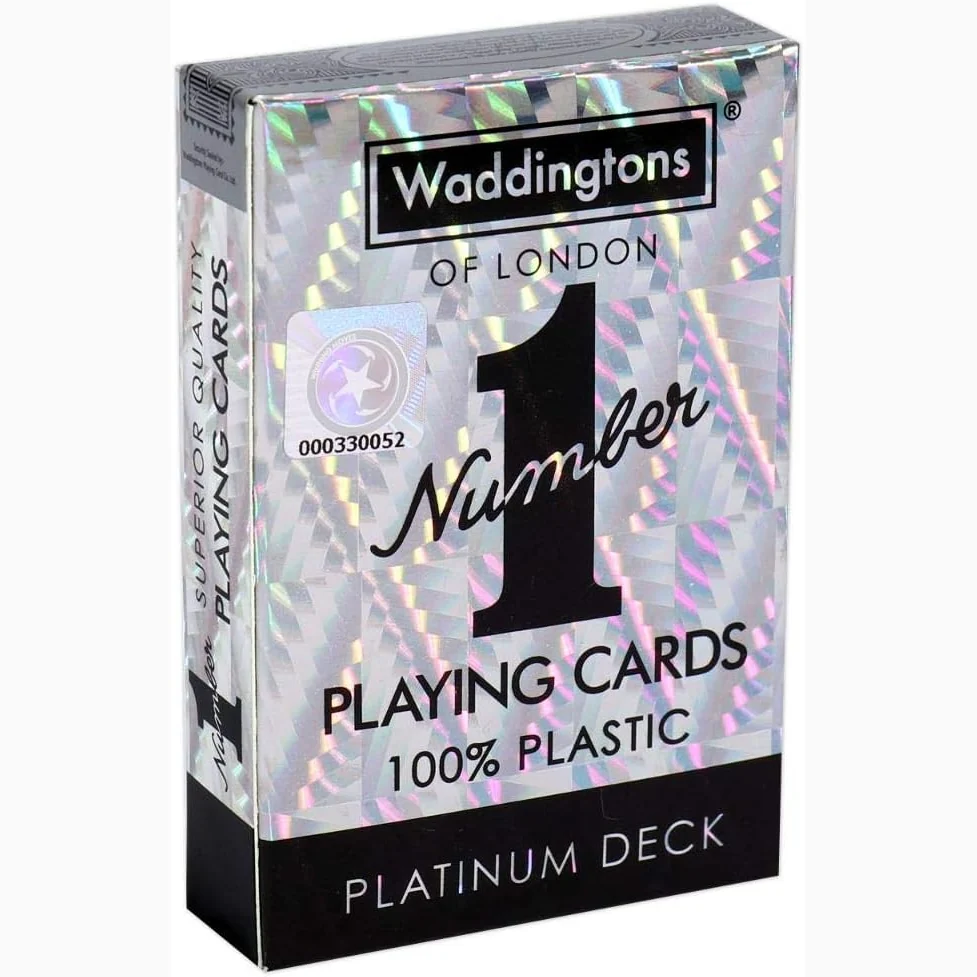
If your recipient values techy shimmer or tougher materials, read our platinum deck guide. Gold whispers tradition; platinum shouts spectacle. Neither replaces Number 1 for utilitarian grind—they complement it.
Retail seasons, pricing, and patience
Gold editions sometimes spike in price before Christmas and wedding season, then relax in January. If your event is months away, set marketplace alerts rather than panic-buying damaged tucks. Department stores occasionally bundle gold decks with whisky gift sets; verify that the included pack is the current print you want, not last year’s leftover with curled cellophane. Charity galas may auction signed celebrity decks inside gold wrappers—authentication for autographs is a separate skill from card provenance.
Currency swings affect imported marketplace offers; UK buyers should compare total landed cost against domestic high street convenience. A few pounds saved rarely compensates for absent returns windows.
Corporate buyers planning client gifts should order samples before imprinting logos on outer sleeves—foil registration interacts oddly with some overprint techniques. Test shuffle feel after sleeves arrive; stiffness can telegraph through the first evening.
Accessibility and inclusive gifting
Some players with low vision appreciate high-contrast metallic backs under warm light; others find glare painful. If you gift to mixed-age tables, include a second standard Number 1 tuck as backup so everyone can participate comfortably. Mention finish type on the gift tag—small courtesy that prevents awkward “we cannot use these” moments.
Photographers shooting flat lays for invitations should test both flash and natural light; gold foil behaves differently at noon versus dusk. Slight rotation eliminates hot spots that exaggerate wear that is not really there.
Finally, note that shipping vibration can loosen foils on rare defective tucks; if sparkle flakes appear in the cellophane, photograph immediately and contact the retailer whilst policies remain fresh.
Verdict: Choose gold when the occasion deserves theatre, the players already know Waddingtons courts, and you accept a little extra care. Shuffle once for luck, then let the metallic backs do the talking.