

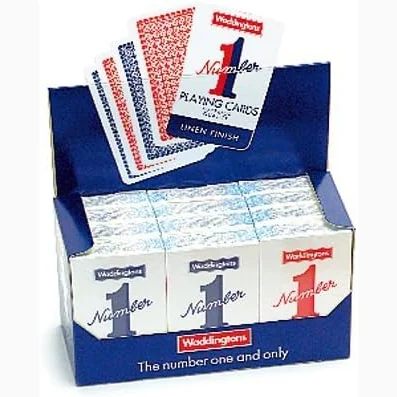
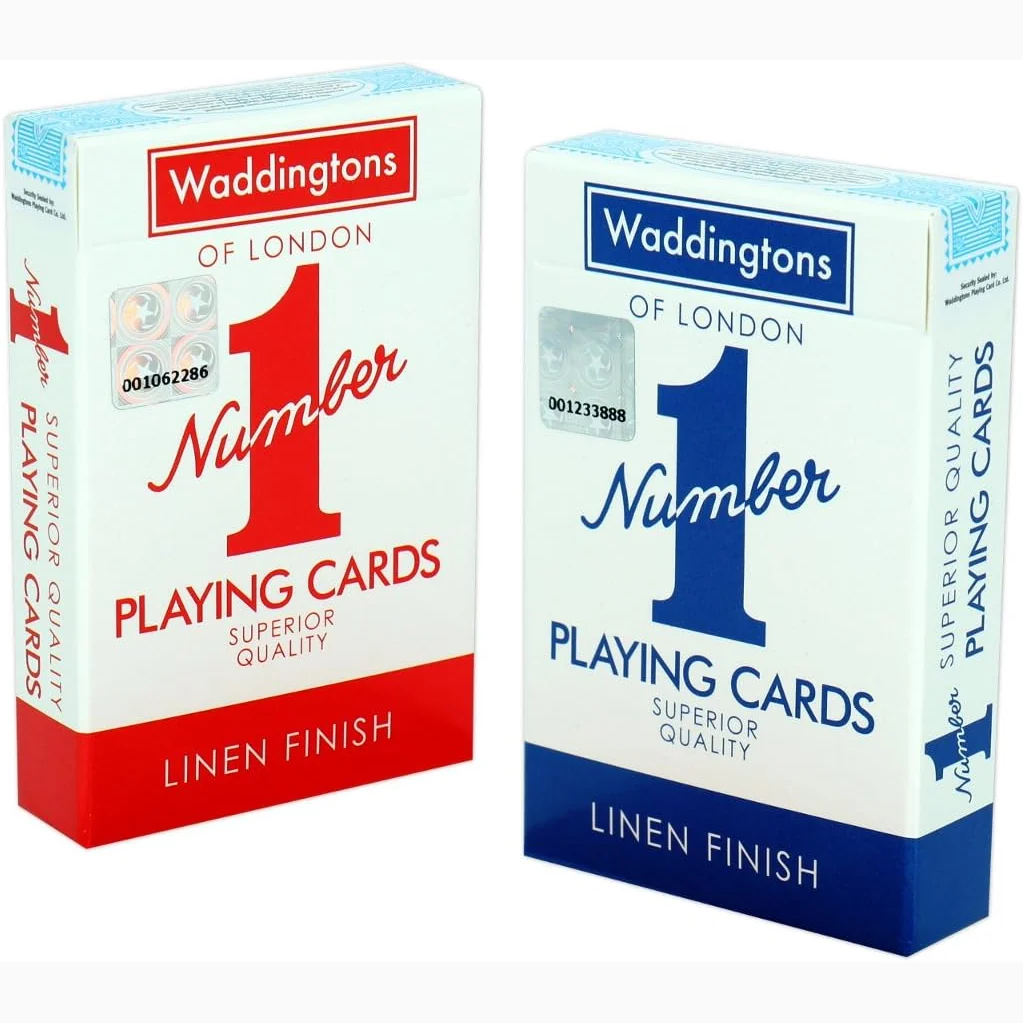

A box of twelve Waddingtons packs is logistics dressed as cardboard. Instead of buying singletons from the high street every fortnight, treasurers order an outer case that sits in the storeroom until whist night arrives. The format suits any organisation that burns through decks: working men’s clubs, parish councils, school bridge enrichment groups, and even hospitality venues that host poker-for-charity evenings. Understanding how these cases are composed—and why the classic six red, six blue split persists—helps committees spend wisely and avoid awkward “wrong colour” moments at the table.
Wholesale outer boxes: what you actually receive
Outer cartons typically bundle a dozen sealed tucks. Printing on the case states contents, barcode data, and sometimes distributor references for Winning Moves-era stock. Inspect corners upon delivery; courier scrapes can dent inner tucks if handlers stack heavy parcels on top. Photograph the case lid if you need warranty correspondence. Keep the invoice with your charity’s asset register so auditors see legitimate supply purchases rather than mysterious cash withdrawals.
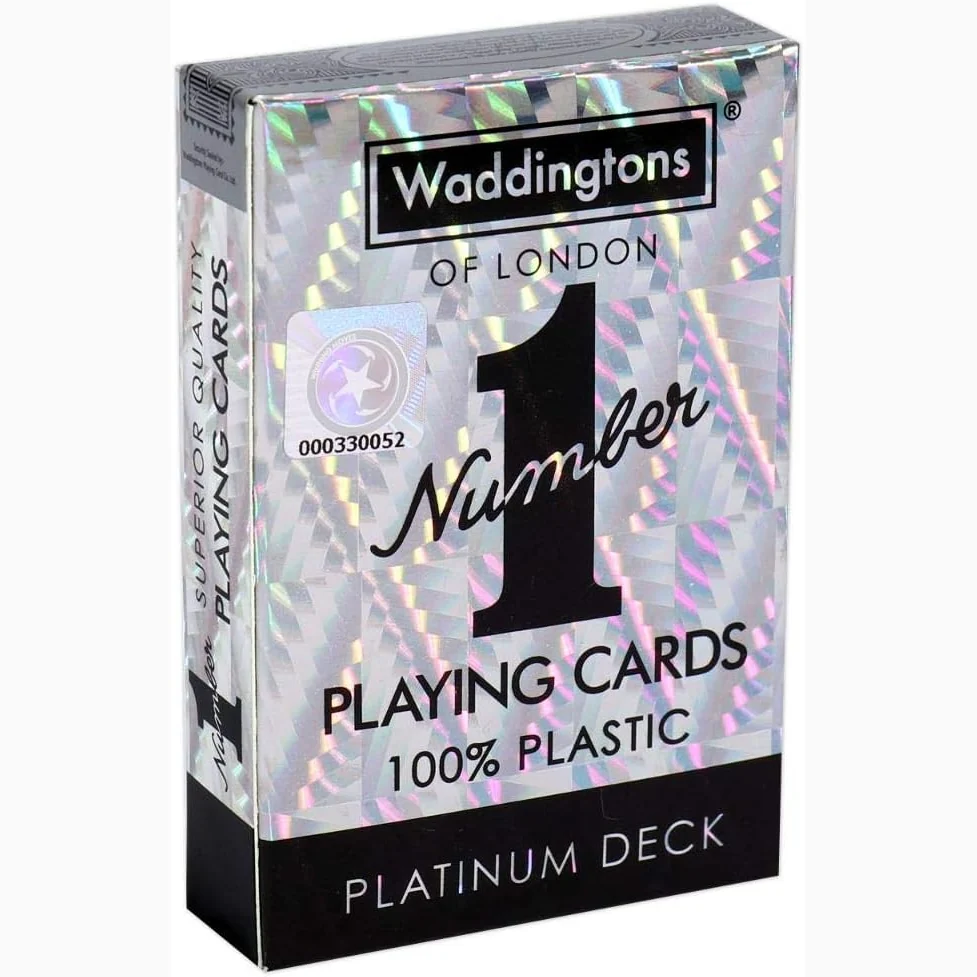
Inner packs should match the product line advertised—usually Number 1 standard backs for club play. If your committee experiments with gold or platinum prizes, order those separately; mixed speciality cases are uncommon and easy to mis-order.
Six red, six blue: tradition with a purpose
Duplicate bridge and many whist formats require two decks of contrasting backs for smooth rotation between deals. A balanced case means you can issue one red and one blue to each table without opening multiple shipments. Some tournaments colour-code sections—red for open rooms, blue for novice rooms—again benefiting from parity. If your supplier occasionally ships uneven mixes due to factory repacks, flag it immediately; most reputable vendors correct errors quickly.
When teaching beginners, contrasting backs reduce confusion about which discard pile belongs to which deal. Youth leaders appreciate anything that lowers cognitive load whilst rules sink in.
Club stewards: inventory habits that save money
Assign one steward as card quartermaster. Track openings on a clipboard: date, event, packs issued, packs retired. Rotate stock first-in-first-out so older cellophane does not grow brittle. Store cases off concrete floors—pallets or shelving prevent damp wicking. After bonfire-night fundraisers, air the cupboard before resealing; smoke odour clings.
Negotiate annual budgets using historical burn rates. If your club grew membership twenty percent, adjust before Christmas rush. Cross-check prices against consumer multipacks; cases should offer meaningful per-deck savings or you are paying only for cardboard prestige.
Collector cartons and sealed-case culture
Collectors sometimes seek unopened outer boxes as display pieces, especially when graphics commemorate an era. Verify authenticity using our genuine packs guide before paying a premium. Case printing can fade; UV protection matters on sunny display shelves. Document serial patterns if present. Resist the urge to open “just one tuck” unless you accept value loss—sealed integrity drives collector pricing.
Photograph all six sides before storage; insurance appraisals appreciate thorough evidence.
Schools, cafés, and unconventional adopters
Maths teachers use decks for probability demos; twelve packs supply a classroom set with spares for ink-stained casualties. Independent cafés running game nights appreciate backup stock when tourists spill lattes. Community theatres staging Agatha Christie adaptations tuck spare packs into prop trunks. Each use case shares a need: predictable quality at scale.
When lending packs externally, label returns with coloured dots so your club’s inventory does not vanish into someone’s glove box.
Recycling, waste, and sustainability talking points
Flatten outer cases for recycling where local rules allow. Cellophane may require general waste—check council guidance. Encourage members to retire worn decks to craft projects rather than landfill when possible. Some artists collage tuck flaps into murals celebrating local heritage.
Environmental wins are incremental, yet committees appreciate transparency when younger members ask questions.
Voices from the table
Player sentiment varies; skim our reviews hub for composite quotes about linen praise versus polymer critiques before you bulk-buy speciality lines alongside standard cases. Hearing both camps prevents surprise grumbles at the AGM.
Treasury, VAT receipts, and grant reporting
Committees funded by grants or parish shares should file invoices under educational supplies or approved line items rather than vague “miscellaneous.” High street tills rarely suffice for auditors; prefer supplier invoices that name SKU and quantity. If you split an order with another club, draft a one-page memorandum recording the split so both treasurers can trace their half. Digital backups in cloud folders prevent lost paperwork when officers rotate annually.
When VAT registration applies, confirm whether your supplier’s quote is inclusive or exclusive before comparing unit economics. A few pence per deck compounds across thousands of hands.
Emergency reserves and extreme weather
Keep a storm-night reserve case untouched until heating failures or floods threaten regular supply chains. Rotate that reserve into general stock once a year so cellophane does not age excessively, replacing it with fresh stock immediately. Label the shelf clearly—volunteers should not accidentally raid emergency decks for ordinary Tuesday whist.
Festivals and outdoor fundraisers should tarp storage; dew ruins tuck corners overnight even when polymer decks survive the table.
Pair bulk orders with a simple loan agreement when neighbouring villages borrow stock: signed list of packs out, expected return date, and steward contact. Miscommunication causes more hard feelings than actual card damage.
Label inner shelves with expiry of inspection dates if your insurer requires periodic asset checks—twelve-packs count too.
Bottom line: A twelve-pack outer box is infrastructure for British card culture. Treat it like any other operational asset—track it, store it kindly, and open the next tuck the moment the previous deck’s corners go fuzzy.