
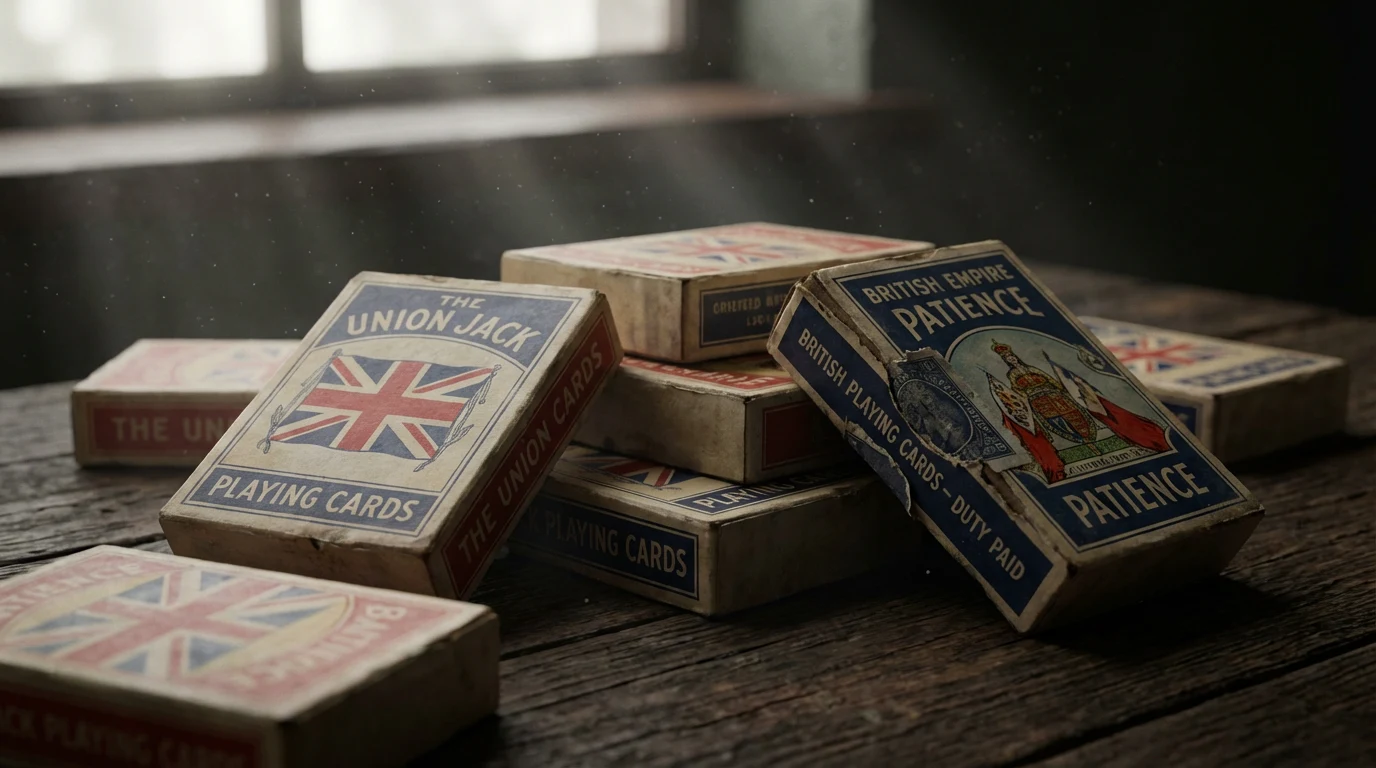
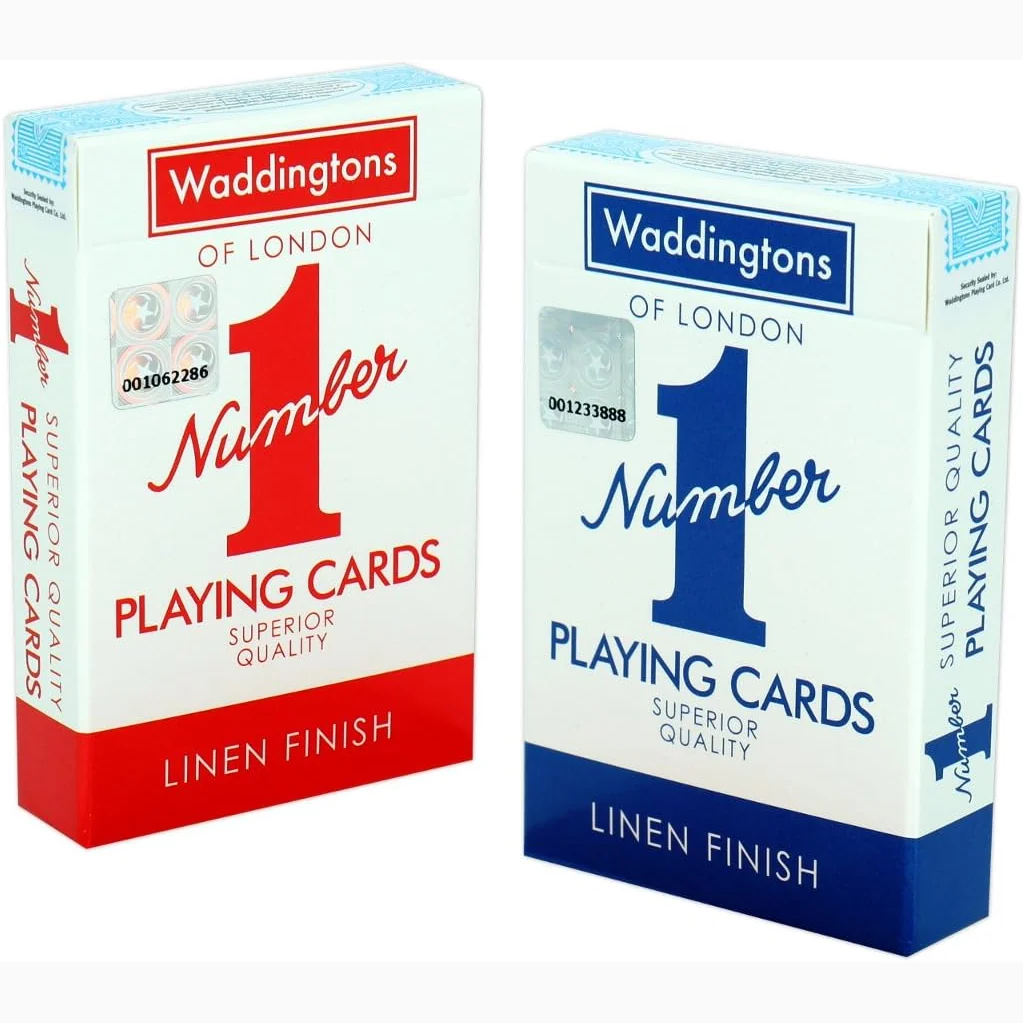
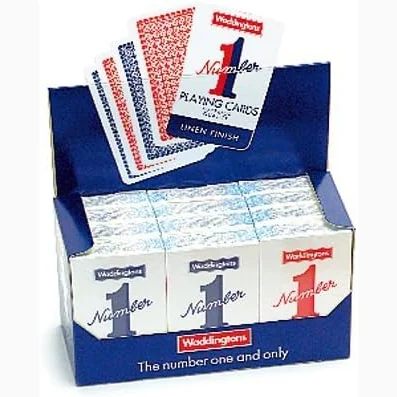
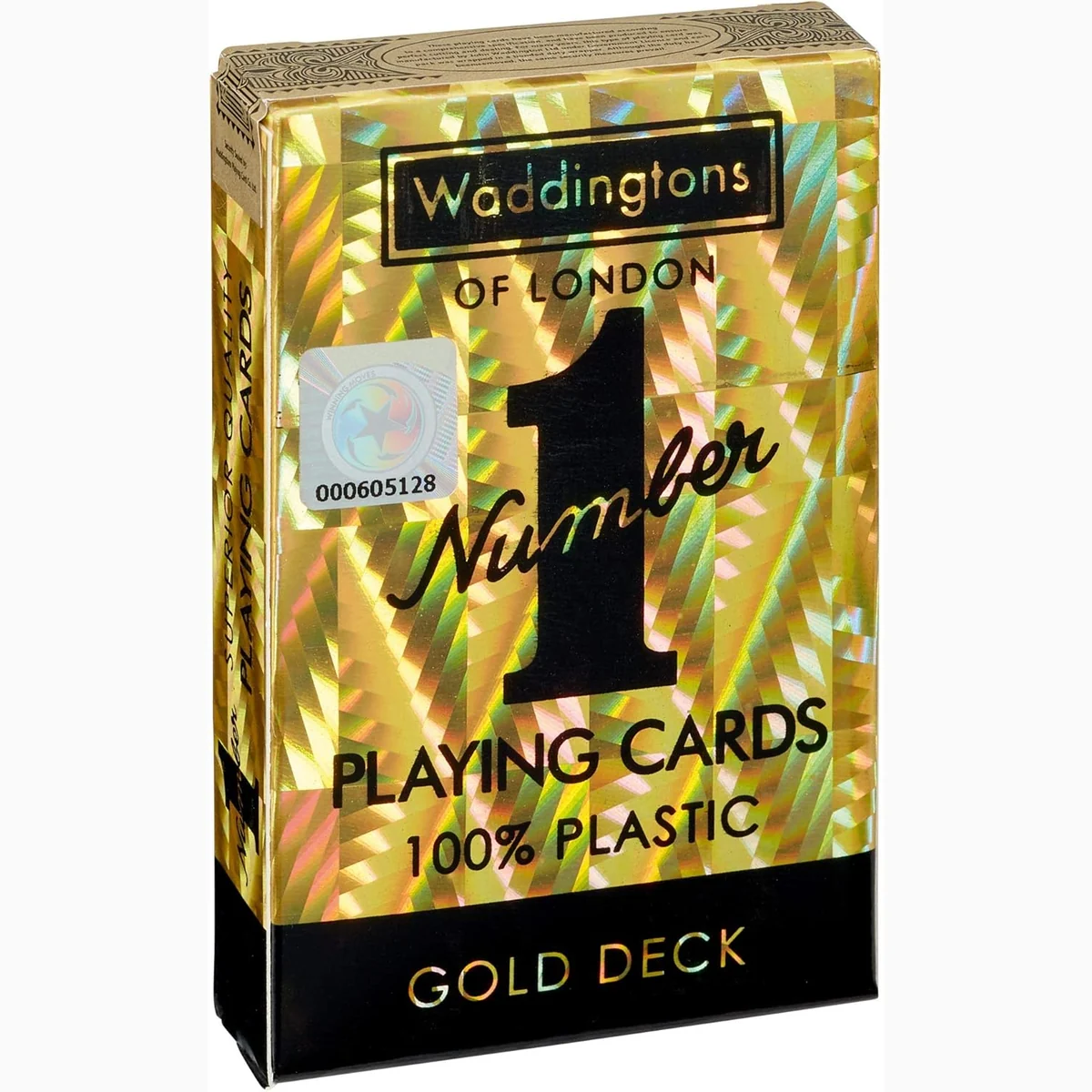
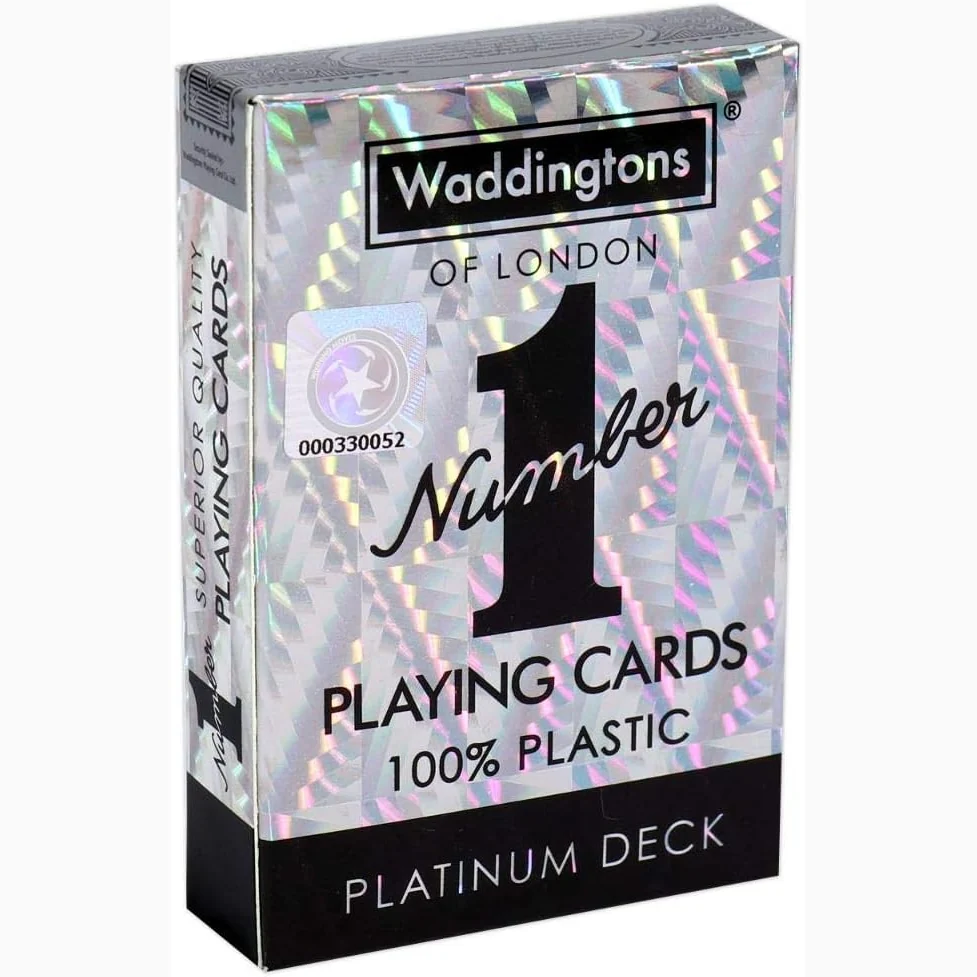
Collecting vintage Waddingtons is less about hoarding sealed plastic and more about interpreting material culture. Every tuck flap, duty stamp, and kerning choice anchors a deck to a decade of print technology and regulation. British excise history left literal paper trails on playing cards, which means your “boring” brown wrapper might be the most honest provenance document you own. The hobby rewards patience: cross-reference auction photos with catalogued examples, note factory codes when visible, and treat seller stories as hypotheses to verify.
Tax wrappers and fiscal fingerprints
For much of the twentieth century, UK fiscal policy touched playing cards directly. Wrappers and labels sometimes carried duty marks that helped HM authorities track manufacture and payment. A collector learns to photograph these bands before opening anything, because removal destroys evidence casual buyers ignore. Shades of ink, perforation style, and even the glue line where paper meets card can separate an original application from a clever re-wrap.
Never assume a crisp wrapper equals authenticity. Climate-controlled storage can preserve paper surprisingly well, whilst clumsy restoration can make an honest deck look suspect. When in doubt, compare multiple specimens from the same alleged era. Our genuine packs guide walks through tuck text clues that pair with wrapper study.
Typography and print tells
Waddingtons marketing evolved from austere industrial wording to brighter consumer palettes, and typefaces followed. Serif-heavy backs often signal mid-century gravitas, whilst funkier display fonts arrived as television advertising reshaped retail shelves. Registration—how cleanly colours align at edges—betrays press quality. Slight misregistration is not automatically bad; it can authenticate a budget run. Perfect symmetry on a supposedly 1930s tuck should raise questions unless factory records support unusual precision.
Microcopy matters. Legal lines, address blocks, and distributor mentions shift when companies merge or outsource cartoning. If a box cites a Leeds association, compare against the corporate timeline on our history page. Contradictions between address and claimed decade are where forums either solve mysteries or repeat myths.
Post-war labels and material rationing echoes
The immediate post-war years forced manufacturers to balance quality with availability. Paper stocks, varnish chemistry, and even boxboard thickness fluctuated. Collectors sometimes call these transitions “soft period” decks because corners feel different from pre-war linen. Labels might boast patriotic motifs or understated practicality depending on the month. Photograph edge wear patterns; uniform artificial rounding differs from honest table use.
Post-war ace of spades art often received refreshed engraving-style treatments to signal continuity with pre-war prestige. Compare black depth under raking light. Reproductions sometimes print flat greys where originals hold etched contrast. Always pair visual study with provenance: a single photo rarely suffices.
Collecting ethics: people, place, and permission
Ethical collecting starts with truth in trade. Do not trim damaged wrappers to “improve” presentation without disclosing alteration. If you acquire estate lots, respect family sentiment; some heirs sell without knowing sentimental value. When visiting charity shops, pay fair prices rather than exploiting volunteers unfamiliar with rarities. Online, avoid encouraging looting of institutional archives—if a museum de-accessions legitimately, documentation should be public.
Share knowledge generously but cite sources. British forums preserve decades of dealer memory; link rather than copy wholesale. If you export decks internationally, research customs rules—vintage paper is usually unremarkable, yet exaggerated declarations invite needless holds. Finally, acknowledge that working-class leisure history lives inside these boxes; treat subjects with dignity, not sneering irony.
Storage, insurance, and research habits
Store tucks upright in acid-neutral boxes away from radiators. Silica gel helps in coastal flats; check quarterly. Insure high-value lots with photographs of wrappers, seams, and card faces. Maintain a simple spreadsheet: acquisition date, seller, claimed era, reference links. When you disprove a listing’s story, update your notes—future you will thank present you.
Join specialist societies when possible; nothing replaces handling reference decks under supervised conditions. Libraries in Leeds and London hold ephemera that contextualises factory output. Cross-check court costumes against period fashion plates if you enjoy deep rabbit holes.
Catalogues, dealer networks, and fair etiquette
Serious collectors maintain reference binders: photocopies of auction catalogues, PDFs of factory announcements, and snapshots of museum displays. When a dealer quotes a rare back colour, ask which catalogue plate matches. Polite scepticism keeps the hobby honest. At fairs, request natural light or step outside before committing—hall fluorescents lie about varnish yellowing. Carry cotton gloves for premium stock but accept that some sellers prefer you look without gloves to prove serious intent; follow their house rule.
Networking matters. Regional clubs sometimes host “show and tell” evenings where members rotate fragile tucks on felt pads. Those events build trust faster than anonymous online bidding wars. Document provenance when an older member gifts a deck from a closed institute; oral history enriches the object even if paperwork is thin.
Why vintage Waddingtons still matter
These packs are miniature posters for British evenings: whist drives, coach trips, seaside B&Bs. Owning them is owning shorthand for community ritual. Whether you chase pristine cellophane or honest pub wear, the vintage path rewards curiosity over speed. Pair this page with verification cues and company history to build a narrative that stands scrutiny at the next collectors’ fair.
Takeaway: Read wrappers like documents, typography like timestamps, and ethics like house rules. Vintage Waddingtons deserve the same fair play they gave generations of players.
Digitising your collection without ruining the fun
Spreadsheets need not kill romance. Record acquisition cost, seller handle, and a thumbnail link—then close the laptop and play a hand. Back up photos to two locations; hard drives fail the week before an insurance claim. If you publish online, watermark lightly rather than obscuring detail; community recognition matters more than paranoia. When uncertain about copyright on old adverts, quote fairly and credit archives.
Teaching younger relatives to photograph tucks teaches documentation skills transferable to school projects—another quiet win for intergenerational hobby continuity.