

Buying genuine Waddingtons should feel like due diligence, not a lottery. The brand’s longevity means packaging evolved many times; “different” is not automatically fake. Your task is to decide whether differences align with documented factory changes or with sloppy counterfeits and modern reprints masquerading as vintage. Start with the tuck: typography, spelling, legal entity names, and barcode presence must harmonise with the claimed decade. Then move inward to card finish, emboss depth, and court detail.
Tuck box text clues that reward close reading
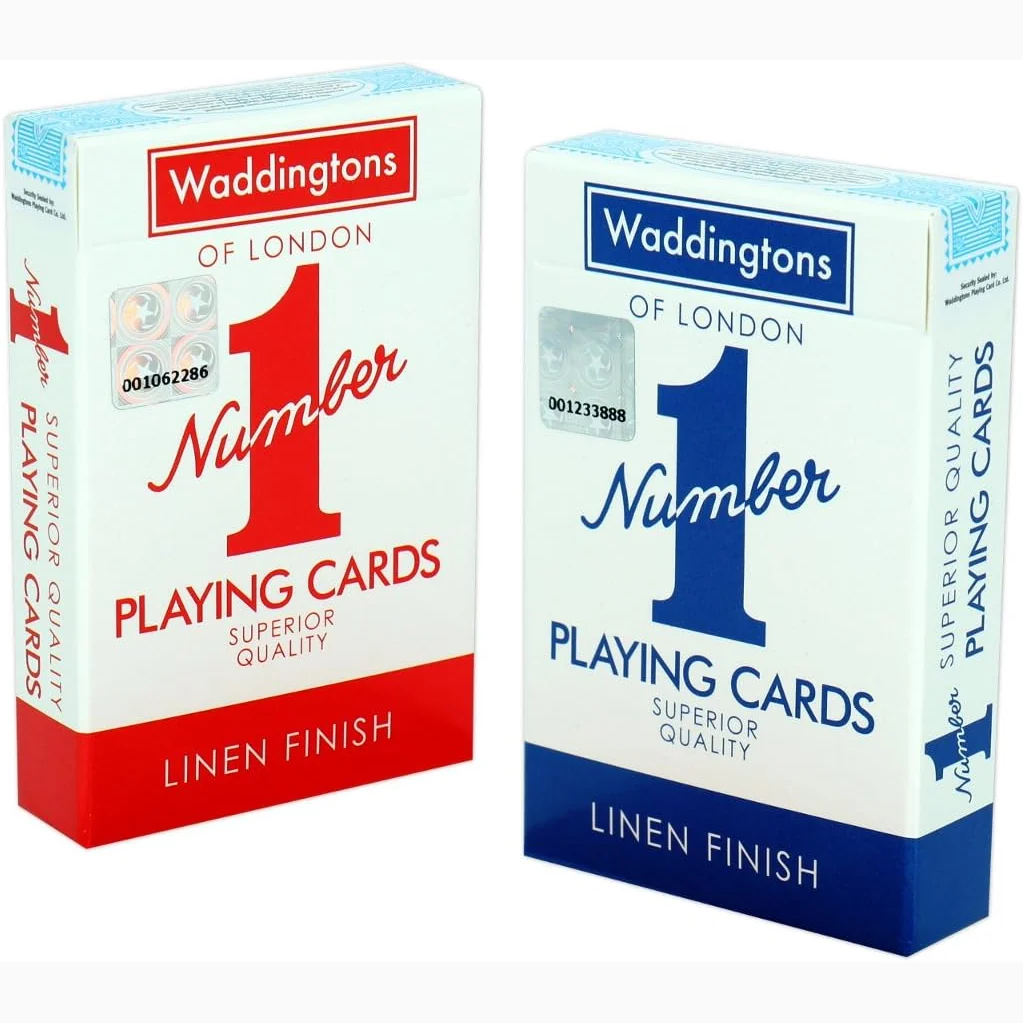
Manufacturers update small print when ownership, licensing, or safety rules shift. A box that cites a distributor inconsistent with its alleged era deserves scrutiny. Compare the back-panel essay tone: modern copy often uses marketing superlatives older tucks avoided. Look for hyphenation habits and the word “British” versus “UK” usage—subtle, yet sometimes chronological. Barcodes and EAN blocks anchor contemporary mass retail; their absence on supposedly new-old-stock nineties packs should prompt questions.
Study the ace of spades through seller photos. Genuine runs show crisp line work at the centre medallion; blurry scaling from low-resolution art files appears on knock-offs. Check joker counts and ad cards: unexpected omissions suggest repacking. If a listing uses stock images only, request timestamped photographs with the tuck flap open.
Duty wrappers and fiscal evidence
Historic UK regulation sometimes placed identifiable marks on playing card packaging. A duty wrapper with correct paper grain and stamp colour for the era supports authenticity more than a seller’s adjective “rare.” Scan for secondary glue shadows indicating reattachment. Wrappers torn with fibrous edges differ from razor-cut reproductions. When buying high-value vintage, insist on pre-purchase photos under neutral light; warm bulbs hide yellowing discrepancies.
Pair wrapper study with the era guide on our vintage Waddingtons page. Contradictions between wrapper style and tuck typography usually end the conversation unless expert mediation explains a documented anomaly.
How to verify sellers before you commit
Check feedback for patterns: repeated “not as described” notes matter more than a single grumpy buyer. Ask direct questions: “Which factory code appears on the flap?” Legitimate sellers photograph answers. Avoid pressure tactics about “other buyers waiting.” Use payment methods with buyer protection when trying a new marketplace. For face-to-face deals, bring a loupe and a reference deck if possible.
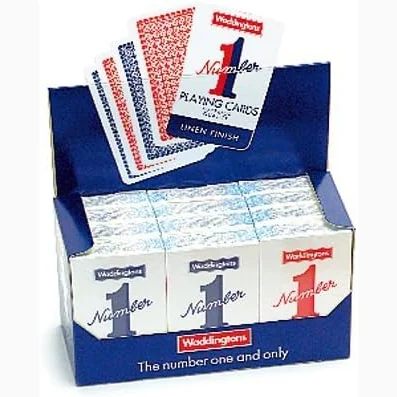
Search seller history for duplicate listings—same photos, rotating prices—often signal drop-shipping from uncertain supply chains. If a merchant sells only “collectible” cards but cannot describe linen emboss, walk away. Clubs ordering fresh stock should prefer authorised retailers and traceable invoices; our box of twelve overview explains why outer cartons also carry authentication cues.
Handling, returns, and documentation
Photograph unpacking videos for expensive purchases; they simplify disputes. Note serial patterns if present. Keep original postage materials—customs labels corroborate origin stories. If you must return a deck, repack with the same care you expect as a buyer; karma matters in small collector circles.
When gifting, include a printout of seller correspondence so recipients understand provenance. Schools and youth clubs should record vendor details for treasurers auditing expenses.
Modern licensed lines versus confusion
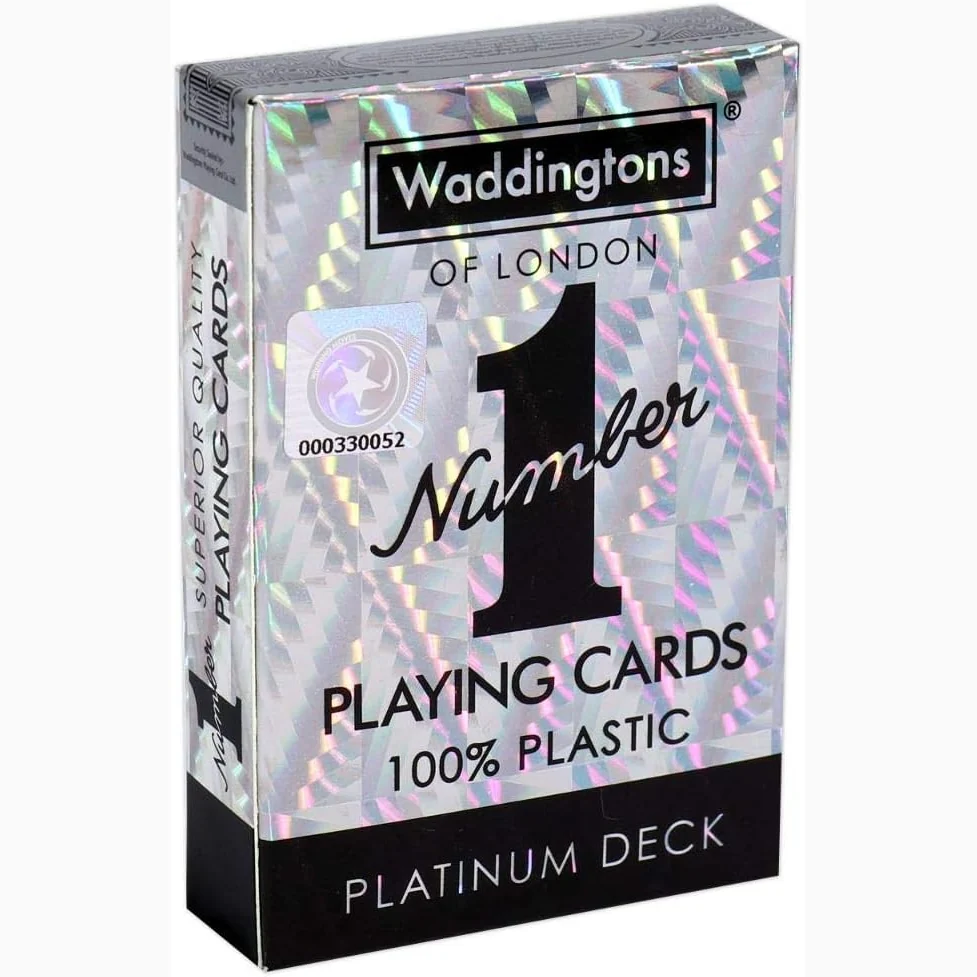
Licensed distribution can shift manufacturing geography whilst preserving brand identity. That frustrates buyers expecting a single forever formula. Read the tuck’s manufacturer statement carefully: licensed wording is not fake; it is contemporary truth. Problems arise when sellers imply older pedigree than packaging supports. Cross-check with vintage tells whenever a listing blends decades in one breath.
Red flags worth walking away from
- Prices far below market with unlimited stock.
- Refusal to photograph the ace of spades or tuck interior.
- Claims of “warehouse find” with pristine modern barcodes.
- Mismatched cellophane seam styles within a single case lot.
Trust the aggregate of clues, not one shiny detail. Genuine Waddingtons reward patient inspection—much like a good hand of patience.
Photography, pixels, and avoiding parallax traps
Online buyers depend on seller images, so learn to read them critically. Wide-angle phone lenses distort tuck rectangles; insist on straight-on shots of front, back, and flap interior. Ask for a ruler beside the pack for scale—oversized knock-offs exist. Zoom until you can see halftone dots; modern inkjet prints show irregular patterns unlike litho runs. If a listing uses identical stock photos across multiple “rare” variants, assume drop-shipping until proved otherwise.
When comparing your candidate deck with a friend’s known-good copy, align white borders under the same light. Slight width shifts can signal different print eras or outright reproduction. Document everything the day your parcel arrives; couriers crush corners more often than forgers fake aces.
Community verification without snobbery
Forums thrive when newcomers post clear photos and humble questions. Veterans should answer with specifics—“your duty band matches 1960s examples in Plate 14”—not sneers. If two experts disagree, treat it as a learning moment; playing card scholarship evolves when new factory paperwork surfaces. Keep a bookmarks folder of reputable reference sites and archive.org snapshots in case pages vanish.
When to involve a professional appraiser
High-value vintage lots—especially with unusual wrappers—may merit paid opinion from an auction specialist. Appraisers examine fibre direction, glue chemistry odour, and microscopic print rosettes you cannot judge on a phone screen. Their letters strengthen insurance riders and family probate documentation. Even if you never sell, peace of mind has value. Choose experts who publish methodology transparently rather than those who promise miraculous attributions in twenty-four hours.
Keep a simple decision log for pricey buys: date, seller, price, signals checked, outcome. Patterns emerge over years—your future self inherits wisdom, not just decks.
Bottom line: Combine tuck literacy, wrapper evidence, and seller verification. When two independent signals align, you can buy with confidence and shuffle without doubt.