Waddingtons is inseparable from twentieth-century British leisure. What began as northern print ambition grew into a house of games and pasteboards recognised from Jersey to Shetland. This overview highlights widely accepted milestones, flags wartime stories that deserve careful framing, and carries the narrative through corporate change to today’s Winning Moves licensing era. For label detective work, pair this essay with our vintage and genuine packs pages.
Leeds origins and early print culture
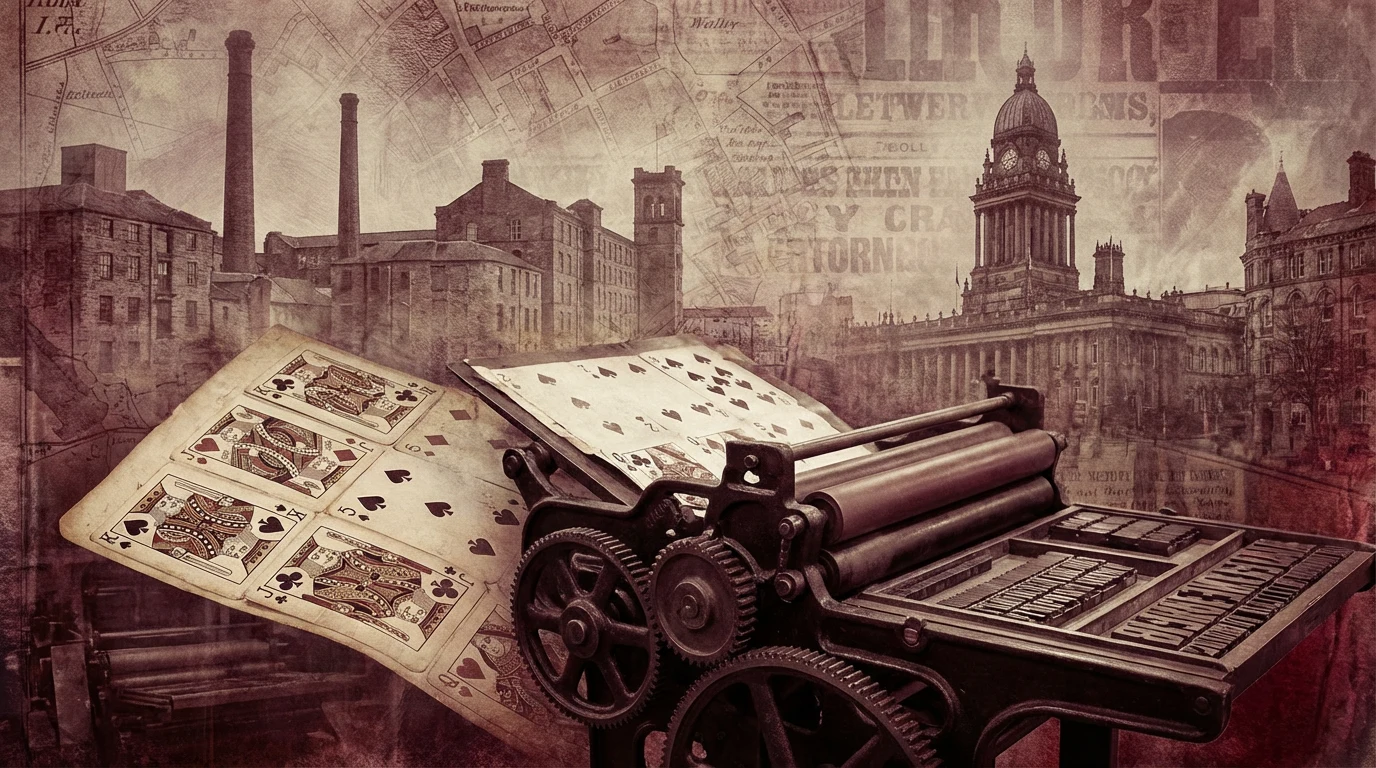
John Waddington Limited took shape in Leeds, a city already fluent in paper, ink, and packaging. Early twentieth-century Britain consumed playing cards as both respectable parlour entertainment and working-class pub pastime. Waddingtons invested in quality board, sharp registration, and marketing that stressed reliability—values later encoded in product names like Number 1. Regional pride mattered: Yorkshire industrial craft met national distribution networks radiating from rail hubs.
Collectors today study Leeds-era typography for clues about factory evolution. If you handle a period tuck, note how address lines and legal entities shift; those micro edits anchor decks to eras better than memory alone.
The 1922 pivot toward games and branded play
Business historians often cite 1922 as a turning point when Waddingtons expanded aggressively into proprietary games and allied amusements, cementing a portfolio beyond raw card printing. Monopoly—under later UK licensing arrangements—would eventually sit beside pasteboards in the public imagination. The strategic lesson: Waddingtons understood that repeat purchase could come from both consumable decks and durable boards.
That dual focus influenced how playing cards were marketed—not merely as gambling tools but as family infrastructure for rainy Sundays and Christmas afternoons.
Second World War: maps, secrecy, and responsible retelling
Popular books and documentaries sometimes connect Waddingtons to concealed escape maps and similar concealment schemes inside innocuous goods supplied to personnel. Details vary by account, classification, and post-war memoir accuracy. What is fair to say in a general guide is that wartime production often layered industrial secrecy atop ordinary consumer lines, and playing card manufacturers possessed the print precision to execute delicate work when governments asked.
We avoid dramatising specific operations without citing primary sources. Readers interested in military history should consult archival collections and peer-reviewed histories rather than auction listing copy. Collectors should treat wartime decks as culturally significant artefacts deserving ethical stewardship, not mere “spy story” props.
Post-war recovery and the boom in club play
After 1945, British community life rebuilt around institutes, veterans’ halls, and women’s guild evenings. Waddingtons supplied the whist drives and bridge sections that knitted neighbourhoods. Linen finishes and consistent court designs became muscle memory for millions. Advertising emphasised durability—an honest pitch when paper shortages had just ended.
Youth culture later borrowed the same decks for rummy marathons and hitchhiker’s patience games, proving versatility across classes.
Hasbro in 1994 and the global toy landscape
Corporate genealogy grows complex here, but collectors routinely note 1994 as a hallmark year when Hasbro absorbed major game assets, shifting Waddingtons brands into a transatlantic toy portfolio. Packaging began reflecting multinational wording even as British courts stayed visually familiar. Some enthusiasts feared homogenisation; pragmatic players noticed steady supply and modern QA.
Understanding Hasbro-era labels helps when dating tucks found in charity shops—look for dual-address fine print and refreshed legal lines.
Winning Moves licensing and contemporary shelves
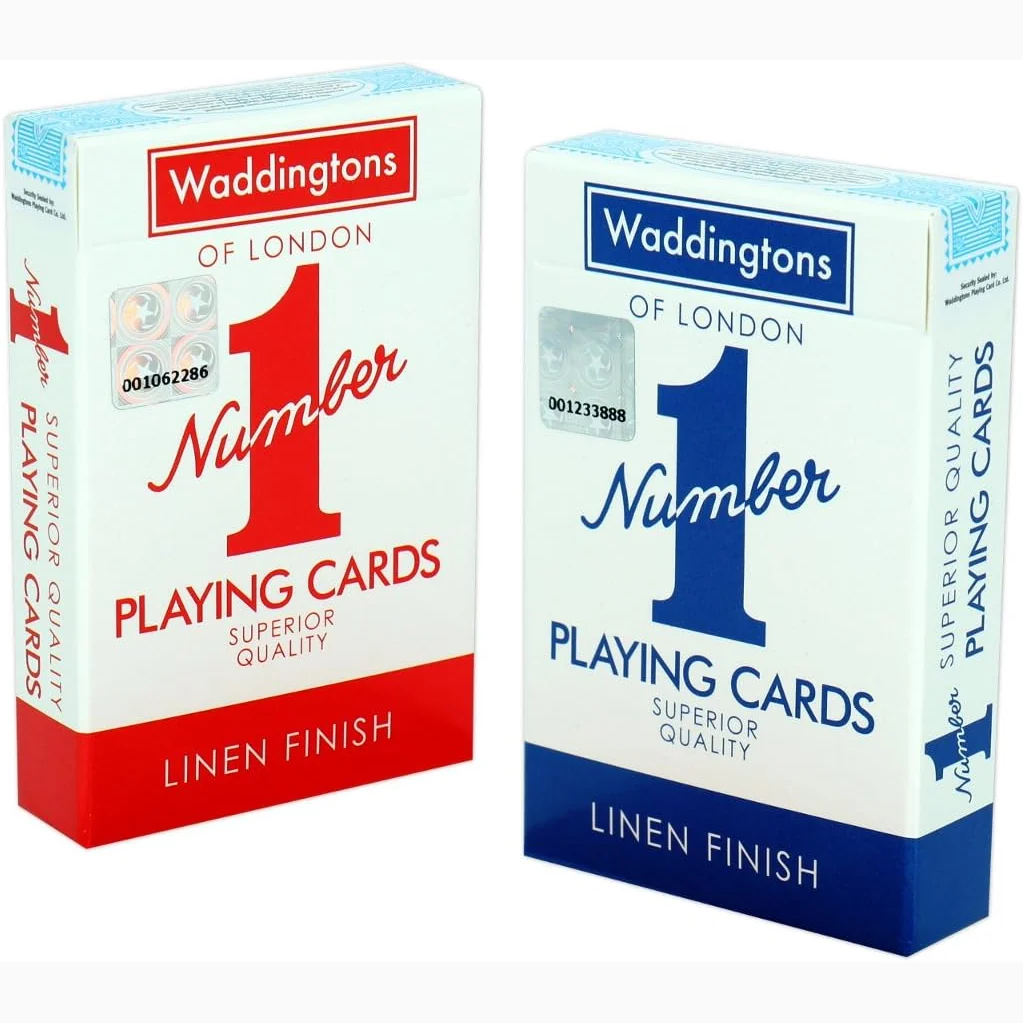
Today’s retail cartons frequently reference Winning Moves distribution under license. That arrangement keeps classic Waddingtons faces on high street racks whilst aligning production with specialist card marketers. It explains why some buyers see unfamiliar distributor addresses yet recognise identical linen handling. Our reviews page tracks how players reconcile nostalgia with these modern notes.
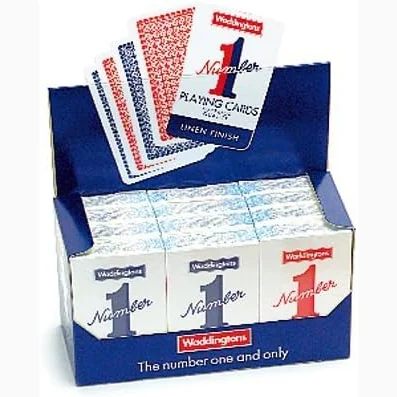
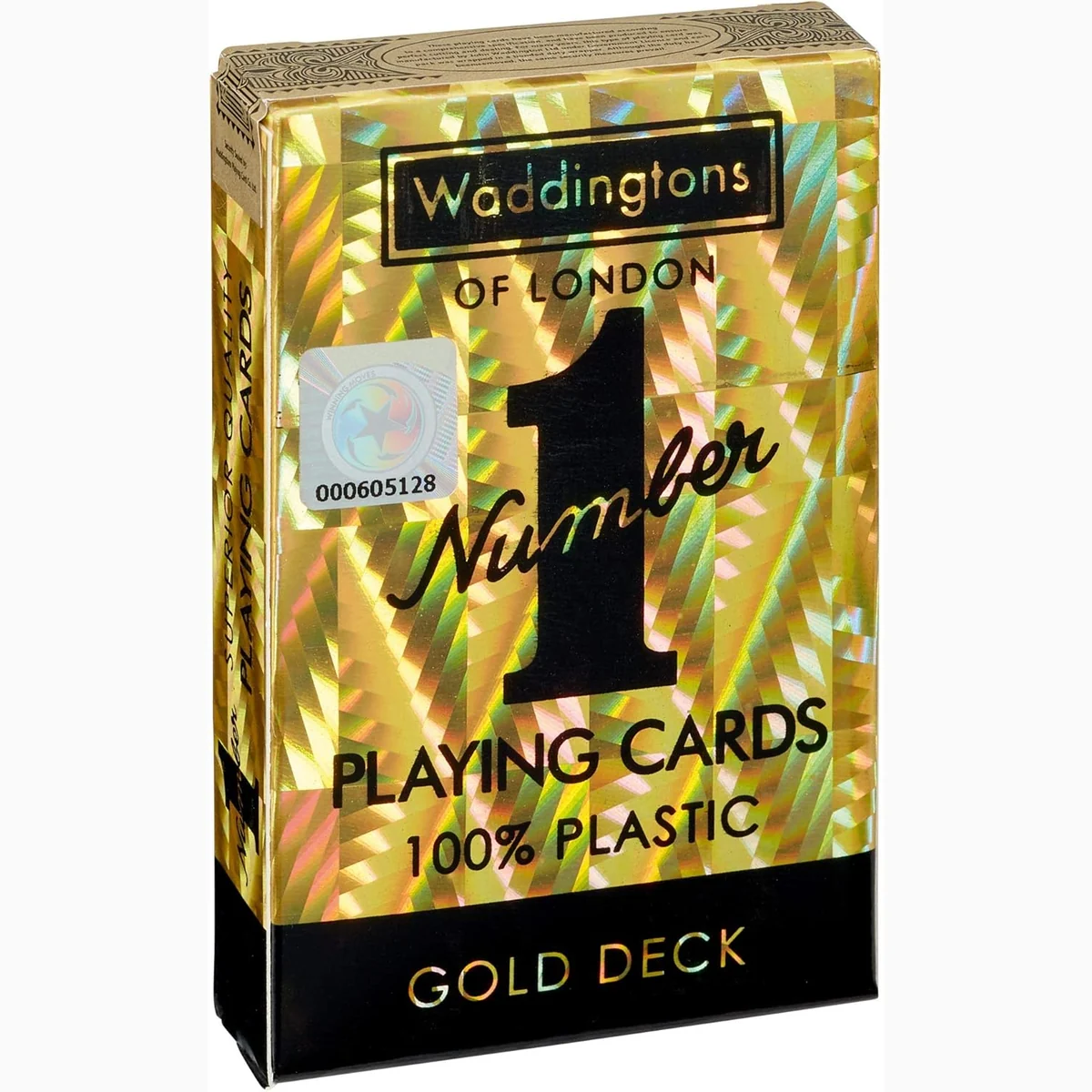
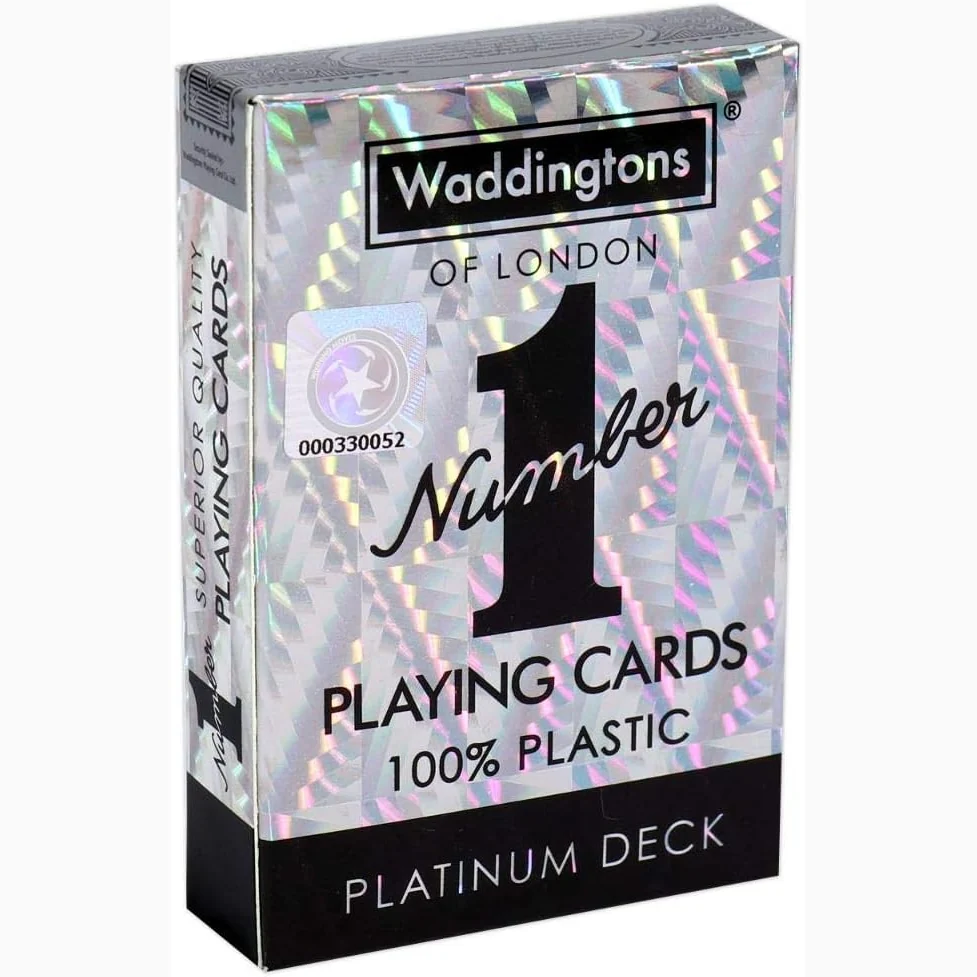
Special finishes—gold, platinum, holographic polymers—sit beside Number 1 workhorses and twelve-pack club cases, extending heritage without freezing it.
Cultural impact beyond the baize
Waddingtons cards appear in British film and television as instant set dressing for “ordinary life.” Soap operas stage breakups over cribbage; detectives fan decks during interviews. Comedians joke about granddad’s shuffling superstitions. Such moments matter because they normalise analogue play in a digital age. Schools use decks to teach probability; therapists use them as fidget-friendly icebreakers.
The linen finish story is partly haptic marketing, partly genuine engineering—and entirely part of that cultural soundtrack.
How to study this history responsibly
Prefer museum catalogues, company-sanctioned timelines, and academic industrial histories over viral posts. Photograph your own collection methodically; share metadata so future researchers trust your dataset. When uncertain, say uncertain—especially for wartime anecdotes.
Design continuity and the British court identity
Across decades, Waddingtons courts remained recognisably British even as fashion shifted. That continuity helped teachers, immigrants learning English card games, and tourists buying souvenirs alike. Designers balanced heraldic tradition with print constraints—fine lines that survived high-speed lithography without clogging. Understanding those compromises explains why certain details look “chunkier” on budget runs yet still read as Waddingtons.
International visitors sometimes confuse British courts with French or Belgian cousins; side-by-side photography clarifies the distinctions better than argument.
Women’s institutes, youth clubs, and soft power
Grassroots organisations spread card literacy without advertising budgets. Women’s institutes folded rules explanations into meeting minutes; scout leaders packed decks for camps. Those quiet channels built brand loyalty more effectively than any billboard. Contemporary outreach through schools and diversity-focused game nights continues that tradition digitally and in person.
Historians should interview elder members before memories vanish; oral histories capture pricing, shop names, and emotional context that corporate archives omit.
Looking ahead: heritage versus innovation
Licensed distributors now experiment with finishes unimaginable to 1950s printers—holography, metallic polymers, limited collaborations—yet the Number 1 silhouette persists as anchor SKUs. That tension mirrors wider British manufacturing stories: honour the pattern, modernise the substrate. Collectors will chronicle whichever path wins shelf space next decade.
Closing thought: Waddingtons history is not a single headline but a stack of shuffled chapters—Leeds ink, wartime caution, post-war clubs, corporate mergers, and licensed modernity—still being dealt across UK tables tonight.